

After surgery, your body is healing-and the medications you take during this time can help or hurt. Short-term drugs like painkillers, antibiotics, or muscle relaxants are meant to support recovery, but they come with risks if not used correctly. Medication errors after surgery are one of the most common causes of preventable harm in hospitals. In fact, nearly one in three adverse events in surgical settings is linked to a medication mistake. The good news? Most of these errors are avoidable with simple, proven steps.
Know What You’re Taking and Why
Don’t assume your doctor or nurse knows exactly what you’re on. After surgery, you might get multiple medications at once: opioids for pain, antibiotics to prevent infection, anti-nausea pills, or blood thinners. Each has a purpose, but mixing them wrong can be dangerous. For example, taking extra acetaminophen on top of a prescription painkiller that already contains it can cause liver damage. Always ask: What is this for? What does it do? What happens if I miss a dose? Write it down. If you’re given a new pill, check the label. Is it the same as what you were told? If not, speak up.Follow the Aseptic Rule: Sterile Means Safe
If you’re getting injections or IV meds after surgery, sterility isn’t optional-it’s life-or-death. The CDC says using the same syringe or needle for more than one person has caused outbreaks of hepatitis and HIV. Even if you’re the only patient, using a dirty needle or reusing a vial can introduce bacteria into your bloodstream. That’s why every syringe must be new, sealed, and opened in front of you. Nurses and technicians are trained to do this, but if you see someone grab a syringe from a tray without opening a fresh package, ask: Is that new? It’s not rude-it’s smart.Label Everything-Even the Tiny Bottles
In the operating room or recovery area, medications are often pre-filled into syringes. If they’re not labeled, someone might grab the wrong one. Imagine a syringe of epinephrine (used to raise blood pressure) sitting next to one of saline. Mix them up, and you could go into cardiac arrest. That’s why every container-even the small ones-must have the drug name, strength, and expiration time written on it. Hospitals now use color-coded labels and barcode scanners to reduce mistakes. If you’re at home and your pharmacist gives you a pill in an unlabeled cup, refuse it. Say: I need the original bottle or a printed label. No exceptions.High-Alert Drugs Need Double Checks
Some medications are called “high-alert” because even a small mistake can kill. These include opioids like morphine or fentanyl, insulin, heparin (a blood thinner), and muscle relaxants. The American Society of Anesthesiologists says these drugs must be verified by two people before giving them. That means one person reads the label aloud, and another confirms it. If you’re home and taking an opioid, never take more than prescribed-even if you’re still hurting. Tolerance builds fast. The risk of overdose is real: in 2022, over 70% of opioid-related deaths in surgical patients happened because people took extra doses or mixed them with alcohol or sleep aids. Keep these meds locked up. Out of reach of kids. Out of reach of your own impatience.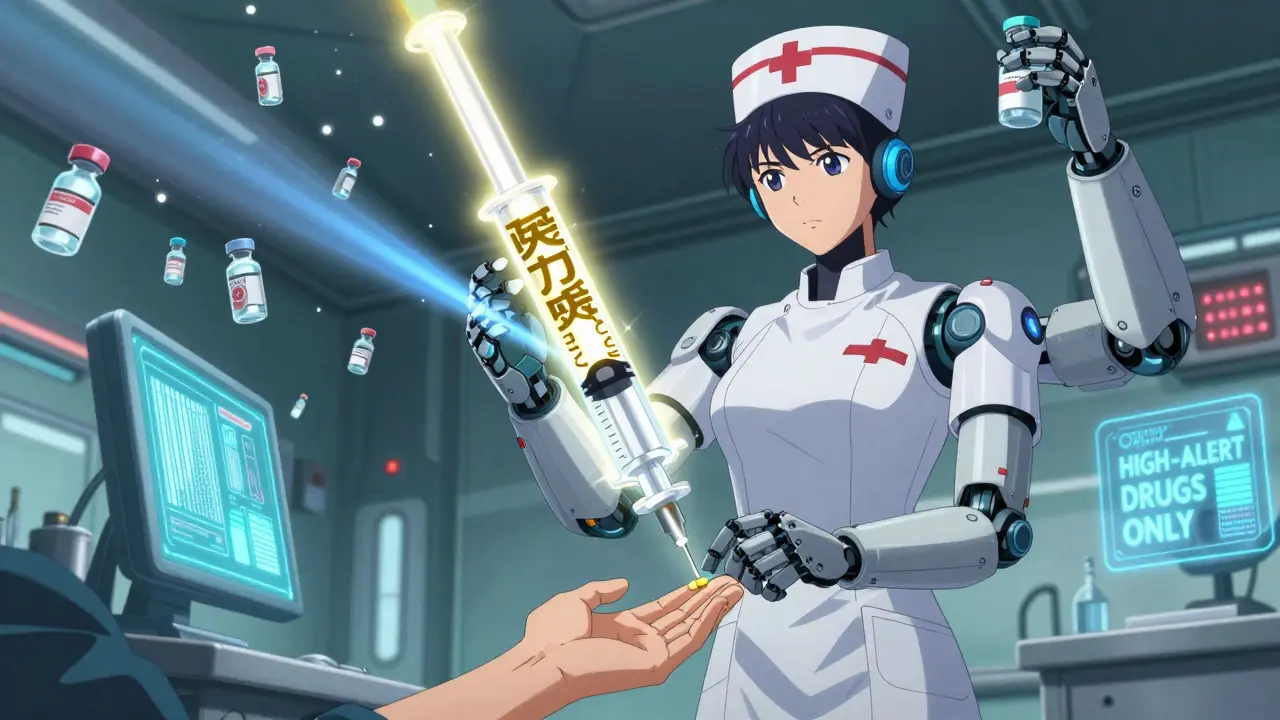
Speak Up: Use the ‘Read-Back’ Trick
Verbal orders are common after surgery. A nurse might say: Give 5 mg of morphine IV now. But in the noise of recovery, that can be misheard. The fix? The read-back. When someone gives you a verbal order, repeat it back exactly. So you want me to give 5 milligrams of morphine intravenously, right? Studies show this cuts errors by more than half. If you’re the patient, don’t be shy. Say: Can you say that again? I want to make sure I got it right. If you’re a family member helping with care, do the same. Your voice might save a life.Track Your Doses-No Guessing
It’s easy to lose track after surgery. You’re tired. You’re in pain. You forget if you took your pill at 2 p.m. or 3 p.m. That’s why keeping a simple log matters. Write down: Drug name, dose, time, route (pill, shot, IV). Use a notebook, your phone, or even a sticky note on the fridge. Some hospitals give patients printed schedules. If yours doesn’t, ask for one. Electronic records help, but paper is more reliable when you’re recovering. If you miss a dose, don’t double up unless your doctor says so. Call your pharmacy or surgeon’s office instead.Watch for Red Flags
Medications after surgery can cause side effects. Some are normal-drowsiness, nausea, constipation. Others aren’t. Watch for:- Extreme drowsiness or trouble waking up
- Slow or shallow breathing (especially after opioids)
- Swelling, redness, or pus at an injection site
- Rash, itching, or swelling of the face or throat
- Confusion, hallucinations, or sudden mood changes
Dispose of Unused Meds Properly
You won’t need all your meds after surgery. Maybe you only used three out of ten pills. Maybe the IV bag was half-empty. Don’t flush them. Don’t toss them in the trash. Don’t leave them on the counter. The FDA and CDC recommend using drug take-back programs. Many pharmacies, hospitals, and police stations have drop boxes. If none are nearby, mix pills with coffee grounds or cat litter, seal them in a bag, and throw them in the trash. This keeps kids and pets safe-and prevents misuse. Opioids left in medicine cabinets are the #1 source of addiction for teens and young adults after surgery.
Ask About Alternatives
Not every painkiller needs to be an opioid. For many surgeries, a mix of acetaminophen, ibuprofen, and local nerve blocks works better and carries less risk. Ask your surgeon: Are there non-opioid options I can use first? Many patients don’t know they have a choice. In 2023, hospitals that switched to opioid-sparing protocols saw 50% fewer patients needing long-term pain meds after discharge. That’s not just safer-it’s more effective.Plan for Discharge
Leaving the hospital is when most mistakes happen. You’re tired. You’re confused. You’re handed a bag of pills with no clear instructions. Before you go, make sure you know:- Which meds to take, and when
- Which ones to stop
- Who to call if something feels wrong
- How to refill prescriptions
It’s Not Just the Doctors’ Job
Medication safety after surgery isn’t a one-person task. It’s a team effort-and you’re part of the team. Nurses, pharmacists, and doctors all have roles. But you’re the only one who knows how you feel. You’re the one who sees the labels, feels the side effects, and remembers what was said. Don’t let fear or politeness stop you from asking questions. You have the right to understand every pill you take. You have the right to safe care. And you have the power to make sure you get it.Can I take over-the-counter painkillers after surgery?
Yes, but only if your surgeon says so. Many post-surgery painkillers already contain acetaminophen or NSAIDs like ibuprofen. Taking extra doses can lead to liver damage or stomach bleeding. Always check the labels and ask your pharmacist to review your full list of meds.
How long should I take opioids after surgery?
Most patients only need opioids for 2 to 5 days after surgery. The goal is to use the lowest dose for the shortest time possible. If you’re still needing them after a week, talk to your doctor. Long-term use increases the risk of dependence, even after minor procedures.
What should I do if I think I took the wrong dose?
Call your doctor or poison control immediately. Don’t wait for symptoms. For opioids, call 911 if breathing is slow or shallow. For blood thinners like heparin, seek emergency care if you notice unusual bruising or bleeding. It’s better to be safe than sorry.
Are there apps or tools to help track post-surgery meds?
Yes. Apps like Medisafe, MyTherapy, and even Apple Health can send reminders and log doses. Some hospitals offer free digital discharge tools with built-in medication trackers. Ask your care team if they have one you can use.
Why are labeling mistakes so common after surgery?
Time pressure, fatigue, and high-stress environments make it easy to skip labeling. Nurses and techs are juggling multiple patients and emergencies. But studies show that even a 27-second delay to label a syringe cuts errors by 60%. That’s why protocols now require labeling before any medication leaves the prep area.
Can family members help with medication safety at home?
Absolutely. Designate one person to manage meds-check labels, set alarms, and call the doctor with questions. Make sure they know what each pill is for and what side effects to watch for. Their eyes and ears can catch things you might miss when you’re recovering.





Post A Comment