
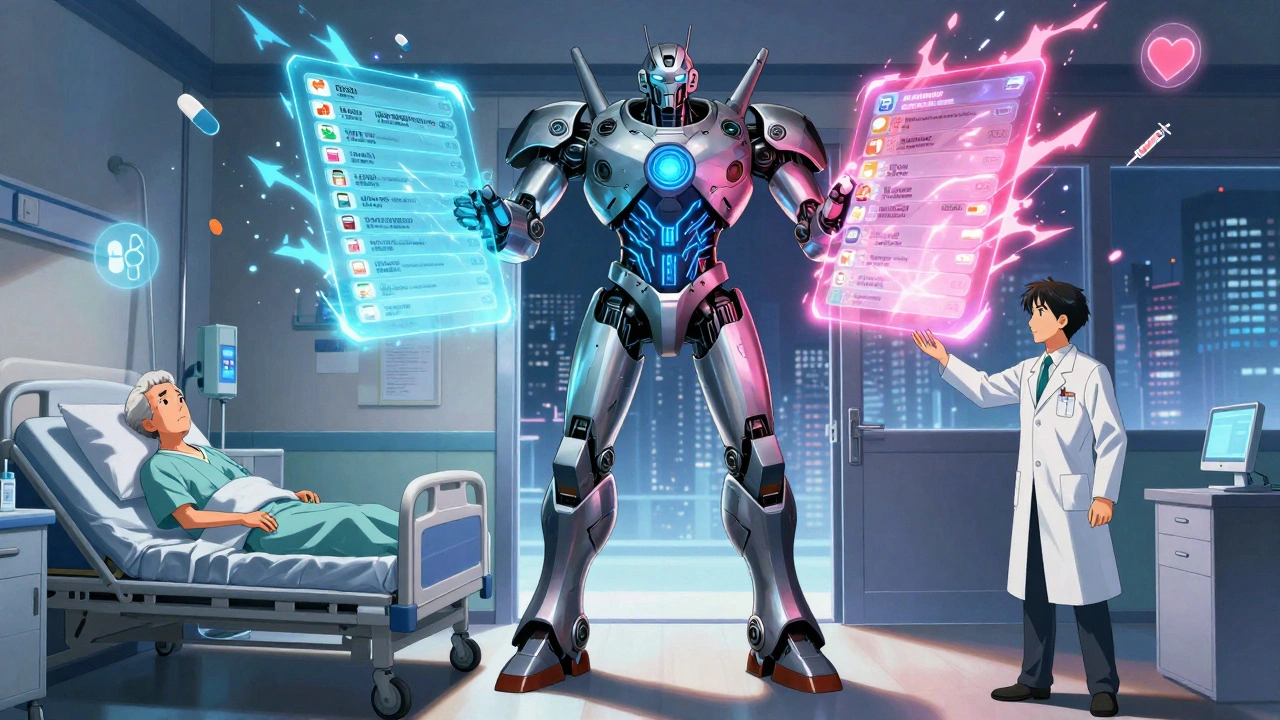
Every year, hundreds of thousands of patients in the U.S. and Australia are harmed because their medication list gets lost or mixed up when they move from hospital to home, or from one doctor to another. These aren’t rare mistakes - they’re systemic failures. In fact, medication reconciliation is the single most effective way to stop these errors before they happen. Yet, most hospitals still don’t do it right.
Why Medication Errors Happen During Transitions
When a patient is discharged from the hospital, they’re handed a new list of medications - sometimes with changes made during their stay. But if the hospital never checked what the patient was actually taking at home, those changes can be dangerous. A patient might get a new blood thinner while still taking an old one. Or they might be told to stop a medication they’ve been on for years, without anyone confirming it was safe to do so. The problem isn’t just about paperwork. It’s about communication gaps. A 2023 study found that 78% of medication errors during transitions come from information not being passed between providers. A nurse might record a medication correctly in the EHR, but the pharmacist at the community pharmacy never sees it. The patient forgets to mention a supplement they take daily. The doctor assumes the patient is still on a drug they stopped six months ago. These aren’t hypothetical risks. In real cases, patients end up back in the hospital with internal bleeding, kidney failure, or dangerous drops in blood pressure - all because a pill was missed, duplicated, or incorrectly dosed during a handoff.The Four Steps of Medication Reconciliation
Medication reconciliation isn’t just making a list. It’s a four-step process that must happen at every transition: admission, transfer between units, and discharge.- Build the most accurate list possible of what the patient is actually taking - including prescription drugs, over-the-counter meds, vitamins, herbs, and even patches or inhalers. This means talking to the patient, calling their pharmacy, and checking their previous records.
- Create a list of what’s being ordered for them now - the new prescriptions, dose changes, or meds being stopped.
- Compare the two lists side by side. Look for duplicates, omissions, interactions, or dose mismatches.
- Make clinical decisions based on that comparison. Do they still need the old statin? Is the new antibiotic safe with their kidney function? Who’s responsible for making that call?
Technology Helps - But It’s Not a Fix-All
EHRs, barcode scanners, and computerized order systems have cut medication errors by nearly half in hospitals that use them well. But they also create new problems. A 2021 study in JAMA Internal Medicine found that when hospitals first rolled out new EHR systems, medication discrepancies actually went up by 18%. Why? Because staff didn’t know how to use them properly. They clicked through screens too fast. They copied old lists without verifying. They assumed the system had the right data. Even worse, only 37% of U.S. hospitals can electronically share medication lists with community pharmacies. That means pharmacists still have to call hospitals manually - and many don’t even know who to call. One pharmacist in Adelaide told me: “I spent 45 minutes on the phone last week trying to get a discharge med list for a patient. Half the time, no one answers.” Technology like AI-powered tools - such as MedWise Transition, cleared by the FDA in August 2024 - is starting to help. In a pilot across 12 hospitals, it reduced discrepancies by 41%. But these tools only work if they’re integrated into real workflows, not bolted on as an afterthought.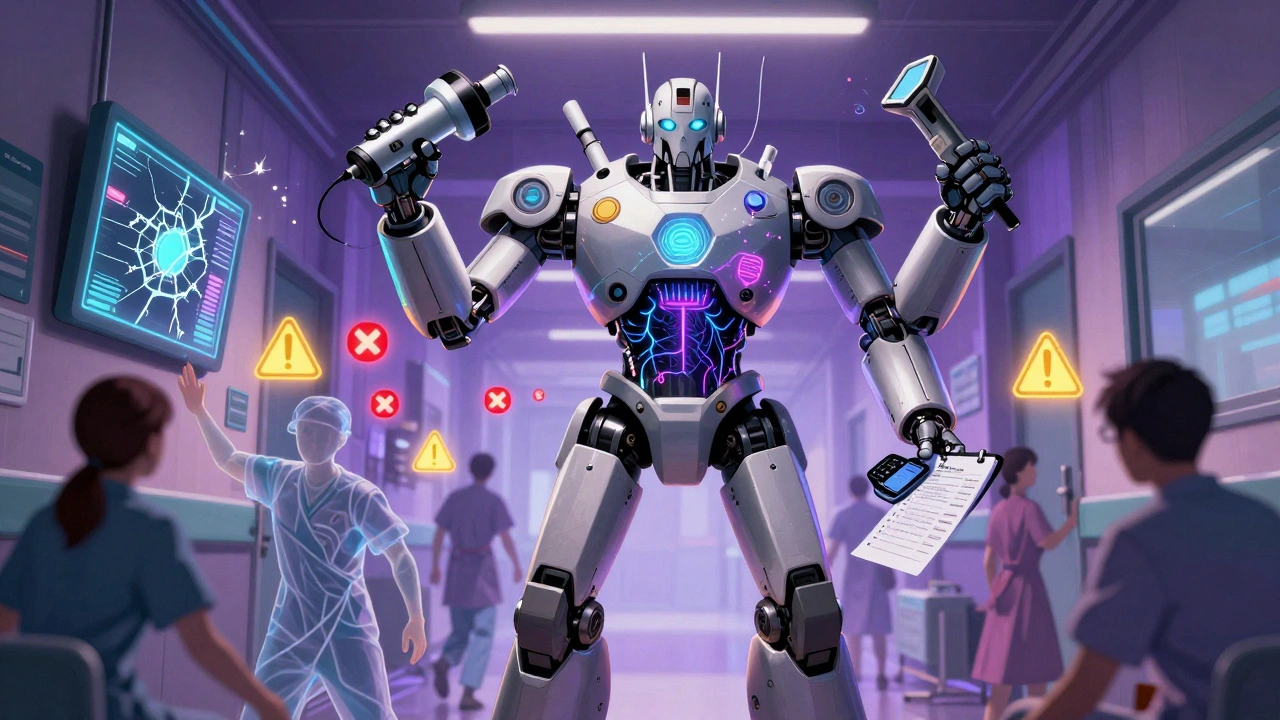
Who Should Be Doing This Work?
Too often, nurses or doctors are expected to reconcile medications on top of everything else they’re doing. That’s a recipe for error. A 2023 study in the Journal of the American Pharmacists Association showed that when pharmacists lead the process, post-discharge medication errors drop by 57% and hospital readmissions fall by 38% within 30 days. Pharmacists are trained to spot drug interactions, understand dosing nuances, and communicate clearly with patients. They’re also less likely to be pulled away for emergencies. Facilities with dedicated transition pharmacists see 53% fewer adverse drug events. But it’s not just about adding staff. It’s about defining roles. One hospital in Boston tried training all nurses to take med histories - but didn’t give them clear authority or time. Result? Harmful discrepancies went up by 15%. The solution? Assign one person - usually a pharmacist - to own the reconciliation process from admission to discharge. That person should have the time, training, and access to all records. They should also be the one who explains the new med list to the patient in plain language.What Patients Can Do - And Why They Often Don’t
Patients are the last line of defense. If they don’t know what they’re taking, or why, they can’t speak up when something’s wrong. A 2024 Kaiser Family Foundation survey found that 72% of patients don’t understand why their medication list matters during transitions. But among those who were actively involved in reconciliation - asked to bring their bottles, asked to confirm doses - 85% felt more confident about their treatment. Here’s what patients can do:- Bring a list of all your meds - including vitamins, supplements, and creams - to every appointment.
- Keep your meds in their original bottles, or take photos of the labels.
- Ask: “What changed? Why? What should I stop or start?”
- Ask for a written copy of your discharge meds - and make sure it matches what you were taking before.
How to Make This Work in Real Hospitals
Implementing medication reconciliation isn’t about buying software. It’s about changing how people work. The AHRQ’s MATCH toolkit - updated in 2023 - gives 159 specific steps for doing this right. But most hospitals only pick a few. The ones that succeed follow these key rules:- Give staff time: Real reconciliation takes 15-20 minutes per patient. Most hospitals try to do it in 8-10. That’s not enough.
- Assign ownership: One person - usually a pharmacist - owns the process from start to finish.
- Train for the gaps: Don’t just teach how to use the EHR. Teach how to talk to patients, how to call pharmacies, how to spot red flags.
- Embed it into workflow: Don’t make reconciliation a separate task. Make it part of admission paperwork, discharge planning, and handoff checklists.
- Measure and fix: Track error rates, readmission rates, and patient feedback. If numbers don’t improve after 6 months, change the approach.
What’s Changing in 2025
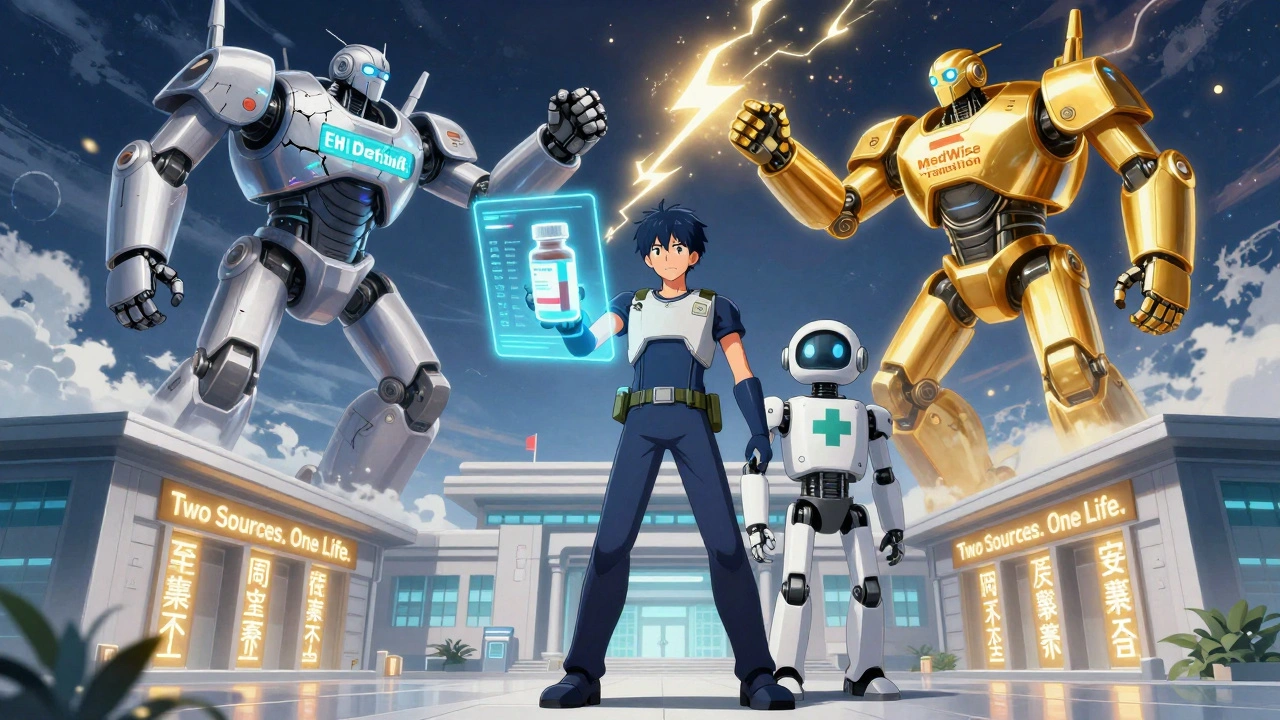
The stakes are getting higher. The 2025 National Patient Safety Goals - released in December 2024 - now require that for high-risk medications (like blood thinners, insulin, or seizure drugs), hospitals must verify the medication list with at least two independent sources. That means a pharmacy record AND a patient interview. No more relying on one source. The World Health Organization’s second phase of “Medication Without Harm” targets transitions specifically, with a goal of cutting harm by 30% in high-risk cases by 2027. Australia’s Safety and Quality Health Care Commission already requires this. The EU’s 2023 iPRI framework does too. The message is clear: if you’re not doing medication reconciliation well, you’re not just risking patient safety - you’re risking your hospital’s funding.What You Can Do Today
If you’re a patient:- Bring your meds - all of them - to every appointment.
- Ask: “Is this new med safe with what I’m already taking?”
- Get a printed copy of your discharge meds. Don’t rely on memory or a phone app.
- Stop assuming you know what the patient is taking.
- Call the pharmacy. Don’t just check the EHR.
- Ask the pharmacist to lead discharge reconciliation.
- Use the MATCH toolkit as your guide - not just your EHR’s default screen.
- Don’t just buy new software. Train your staff.
- Assign a pharmacist to every transition.
- Measure what matters: readmissions, ER visits, and patient confidence.
What is medication reconciliation?
Medication reconciliation is the process of creating the most accurate list possible of a patient’s current medications - including prescriptions, over-the-counter drugs, supplements, and herbs - and comparing it to the list of medications being ordered during a care transition, like admission, transfer, or discharge. The goal is to catch and fix errors like duplicates, omissions, or incorrect doses before they cause harm.
Why do medication errors happen during discharge?
Errors happen because information gets lost between providers. A patient might be discharged with new meds, but the hospital never confirmed what they were taking at home. Pharmacies don’t get the updated list. The patient forgets to mention a supplement. Doctors assume a drug is still being taken when it was stopped weeks ago. Without a formal check, these gaps lead to dangerous mistakes like overdoses, drug interactions, or sudden withdrawal.
Who is responsible for medication reconciliation?
While everyone plays a role, pharmacists are the most effective at leading reconciliation. They’re trained to spot drug interactions, understand dosing, and communicate clearly with patients. Hospitals with dedicated transition pharmacists see 53% fewer adverse drug events. Nurses and doctors should support the process, but assigning ownership to a pharmacist improves accuracy and reduces workload on overstretched staff.
Can electronic health records (EHRs) prevent medication errors?
EHRs can help - but they’re not enough. Studies show EHRs reduce medication errors by 32% overall, but during initial rollout, they can increase discrepancies by 18% because staff use them incorrectly. Many systems don’t talk to community pharmacies, and staff often copy old lists without verifying. Technology works best when paired with trained staff, clear workflows, and patient involvement.
How can patients help prevent medication errors?
Patients can bring a complete list of all their medications - including vitamins, supplements, and creams - to every appointment. They should ask: “What changed? Why? What should I stop or start?” They should request a printed copy of their discharge meds and compare it to what they were taking before. Patients who are involved in reconciliation are 85% more likely to feel confident about their treatment.
What’s new in 2025 for medication safety?
The 2025 National Patient Safety Goals now require hospitals to verify high-risk medications - like blood thinners or insulin - with at least two independent sources, such as a pharmacy record and a patient interview. The World Health Organization’s second phase of “Medication Without Harm” targets transitions with a goal of reducing harm by 30% by 2027. AI tools like MedWise Transition are also emerging, reducing discrepancies by 41% in pilot studies.



Post A Comment