
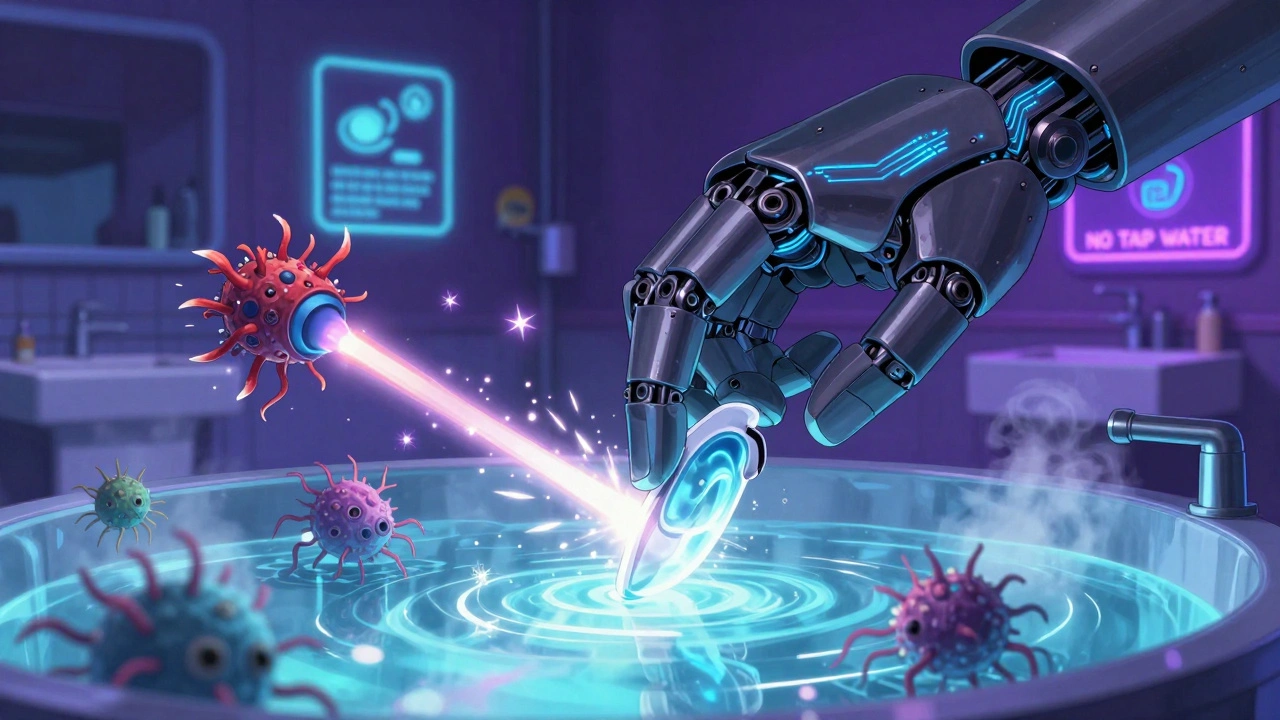
Every year, around 1 in every 1,000 contact lens wearers ends up with a serious eye infection. Most of these cases aren’t bad luck-they’re preventable. The problem isn’t the lenses themselves. It’s how they’re handled. Wash your hands wrong. Use the wrong solution. Sleep in them when you shouldn’t. All it takes is one slip-up to turn a simple vision correction tool into a risk to your sight. And it’s not just older adults. The FDA says 85% of contact lens complications happen to people between 18 and 24. That’s you. That’s your kid. That’s your roommate who thinks rinsing lenses with tap water is fine.
Hand Hygiene: The First and Most Important Step
Before you even touch a lens, your hands need to be clean. Not just wiped. Not just sprayed with hand sanitizer. Washed. With soap and water. For at least 20 to 30 seconds. That’s the same time you’d sing "Happy Birthday" twice. Scrub between your fingers, under your nails, and around your thumbs. Then rinse well. Dry with a clean, lint-free towel. No paper towels-they shed fibers that stick to lenses and scratch your cornea. Why does this matter? Your hands carry bacteria, fungi, and even tiny bits of dirt you can’t see. One study found only 53% to 77% of contact lens wearers wash their hands properly before handling lenses. That means nearly half of people are putting germs straight onto their eyes. The result? Inflammation, redness, and worse-corneal ulcers. These are open sores on the clear front part of your eye. They hurt. They blur vision. And if they’re not caught early, they can leave permanent scars. And no, alcohol wipes don’t cut it. They might kill germs on your skin, but they leave residue that can damage your lenses and burn your eyes. Stick to plain soap and water. Always.Choosing the Right Solution-And Using It Right
Not all contact lens solutions are created equal. What works for one brand might ruin another. Your eye care professional recommends a specific solution for a reason. It’s matched to your lens material, your tear chemistry, and your lifestyle. Don’t switch brands because it’s on sale. Don’t use saline solution to clean your lenses-it only rinses, it doesn’t disinfect. Don’t use rewetting drops as a substitute for cleaning. They’re for comfort, not safety. The biggest mistake people make? Topping off solution. That’s when you pour new solution into a case that still has old solution in it. It sounds harmless. It’s not. Studies show topping off cuts disinfection power by 30% to 50%. Bacteria thrive in that stale mix. Always empty the case completely after each use. Then fill it with fresh solution. Every time. Hydrogen peroxide systems are popular because they’re strong disinfectants. But they’re also dangerous if used wrong. If you skip the neutralizing step or try to rinse your lenses with peroxide before putting them in, you’ll get chemical burns. Wait the full 4 to 6 hours after disinfection. And never, ever rinse your lenses with tap water-even if you think it’s clean. That’s how Acanthamoeba keratitis happens.Acanthamoeba Keratitis: The Silent Threat
This isn’t a common infection, but it’s terrifying. Acanthamoeba is a tiny parasite found in tap water, showers, lakes, and even swimming pools. It doesn’t hurt you in your sink. But when it gets trapped under a contact lens, it burrows into your cornea. The symptoms start slowly-redness, light sensitivity, pain that gets worse over days. By the time people go to the doctor, it’s often too late. Treatment can take months. It costs an average of $7,500 per case. And in 20% of cases, it leads to permanent vision loss. The CDC says swimming or showering with contacts increases your risk of this infection by 10 to 15 times. Even if you close your eyes. Even if you wear goggles. Water gets in. And once it does, your lenses become a breeding ground. If you accidentally get water on your lenses, take them out. Clean and disinfect them properly. Or throw them away if they’re daily disposables.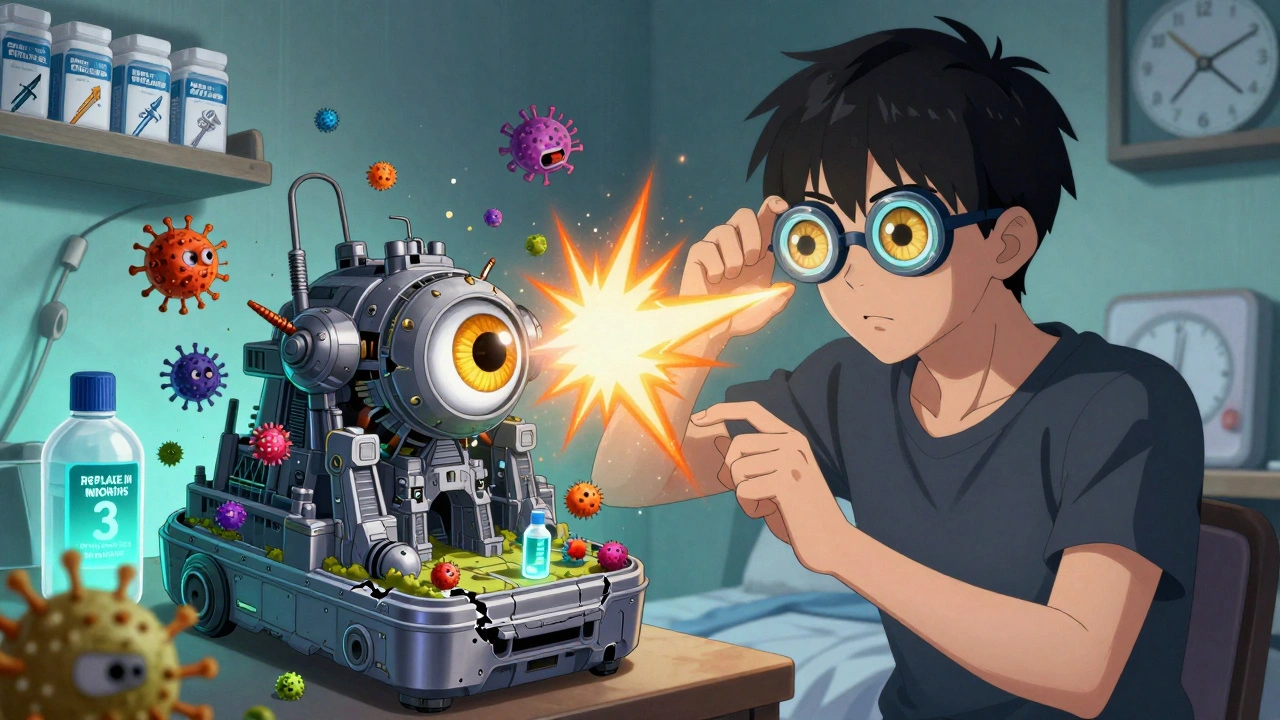
Wear Time: When to Take Them Out
You can’t sleep in your lenses unless your eye doctor specifically prescribed extended-wear lenses. And even then, only 10% to 15% of contact lenses are made for overnight use. Most aren’t. Sleeping in regular lenses cuts oxygen to your cornea. That makes your eye more vulnerable to infection. It also causes dryness, swelling, and blurred vision when you wake up. A 2018 study found that 40% to 50% of users sleep in lenses they shouldn’t. That’s nearly half of all wearers. One Reddit user wrote: "Woke up with a painful red eye after sleeping in dailies once-never doing that again." That’s not an exaggeration. That’s a real warning. Daily disposables are changing the game. They’re the safest option because you throw them away every night. No cleaning. No storage. No case. No risk of contamination from an old lens case. Today, 65% of U.S. contact lens wearers use daily disposables-up from 45% just five years ago. If you’re still using biweekly or monthly lenses, ask your eye doctor if switching to daily disposables might be better for you.Lens Case Care: The Hidden Danger Zone
Your lens case is a germ factory if you don’t treat it right. The CDC and the American Optometric Association both say: replace it every three months. But most people don’t. Some use the same case for over a year. That’s like using the same toothbrush for 12 months. Here’s how to clean it right: After removing your lenses, empty the case. Rinse it with fresh solution-never tap water. Then leave it open, upside down, on a clean tissue. Let it air dry. Moisture is the enemy. Bacteria grow in damp places. A wet case is a petri dish. And don’t store your case in the bathroom. The humid air and airborne germs from flushing toilets make it worse. Store it in a clean, dry place-like your bedroom.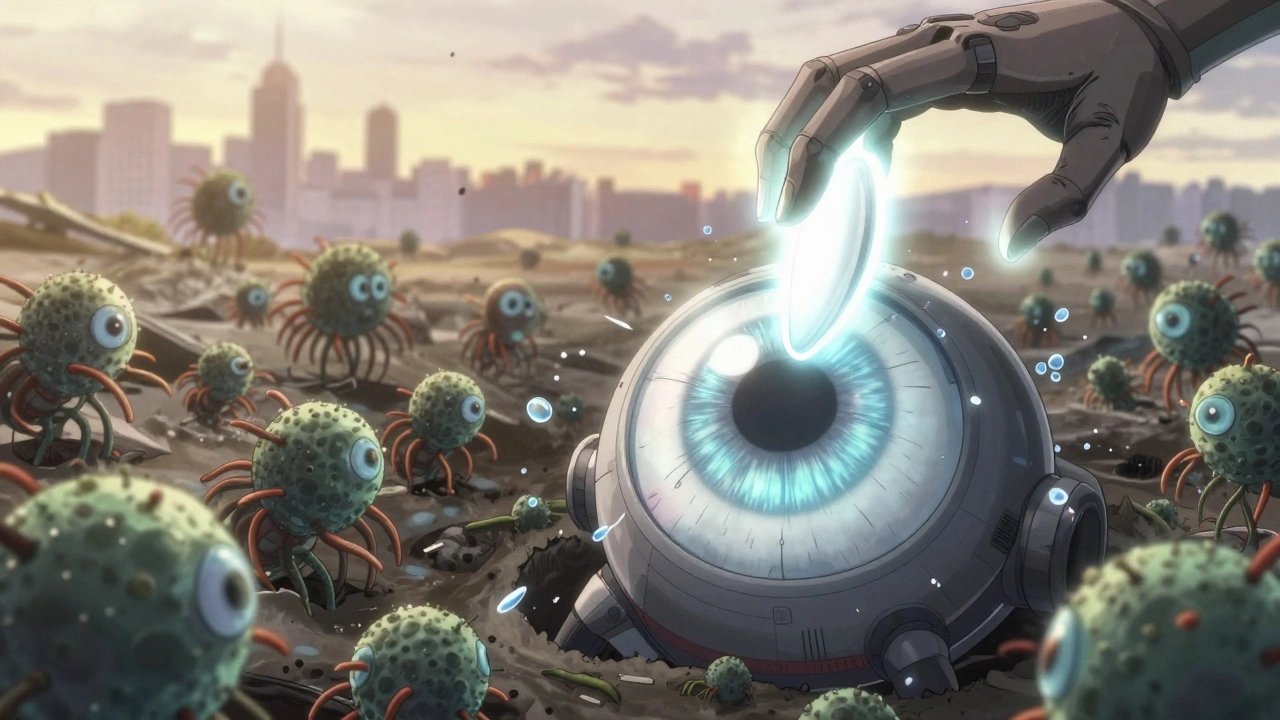
What Happens When You Skip the Rules
Let’s say you skip handwashing, top off your solution, sleep in your lenses, and use tap water to rinse your case. You’re not just being careless. You’re stacking risks. Each mistake multiplies the chance of infection. The CDC estimates that improper care causes nearly all contact lens-related eye infections. That’s not a small percentage. That’s the majority. The cost isn’t just medical. It’s personal. One woman in her 20s lost vision in one eye after a water-related infection. She had worn her lenses while showering for years. She thought it was fine. She was wrong. Her treatment cost over $30,000. She had to quit her job. She couldn’t drive for months. She still has blurry vision. On the flip side, people who follow the rules rarely have problems. One Reddit user said: "Since I started replacing my case every month and never topping off solution, I’ve had zero infections in two years." That’s not luck. That’s discipline.What’s New in Contact Lens Safety
The FDA updated its warnings in 2022, stressing that water exposure is the biggest risk factor. The American Optometric Association revised its guidelines in early 2023 to clarify hydrogen peroxide use. And researchers are testing new lens materials that repel bacteria. Early trials show a 70% drop in bacterial adhesion compared to standard lenses. That’s promising. But technology won’t fix bad habits. No antimicrobial coating will save you if you sleep in your lenses or rinse them with tap water. The safest contact lens is the one you handle correctly.Simple Rules to Follow Every Day
- Wash hands with soap and water for 20-30 seconds before touching lenses.
- Never use tap water, saliva, or rewetting drops to clean lenses.
- Always use fresh solution-never top off old solution.
- Replace your case every three months. Clean it after every use.
- Take lenses out before showering, swimming, or sleeping (unless prescribed for overnight wear).
- Consider daily disposables-they cut infection risk by up to 90%.
- See your eye doctor yearly. Even if your vision feels fine.
These aren’t suggestions. They’re the bare minimum to protect your vision. You wouldn’t skip brushing your teeth. Don’t skip these steps.
Can I sleep in my contact lenses if they’re labeled "extended wear"?
Only if your eye doctor specifically prescribed them for overnight wear. Even then, they’re not risk-free. Extended-wear lenses are designed for limited overnight use, but they still reduce oxygen flow to your cornea. Most eye care professionals still recommend removing lenses at night, even if they’re approved for extended wear. Always follow your doctor’s instructions, not the box.
Is it safe to rinse my contact lenses with bottled water?
No. Bottled water isn’t sterile. It still contains microorganisms that can cause serious eye infections like Acanthamoeba keratitis. Only use sterile saline solution or the disinfecting solution recommended by your eye care professional. Even distilled water isn’t safe for rinsing lenses. Always use proper lens solution.
Why can’t I use saline solution to clean my contacts?
Saline solution is only for rinsing or rewetting. It has no disinfecting agents. It won’t kill bacteria, fungi, or amoebas that can stick to your lenses. Using saline instead of a proper disinfecting solution is like washing your hands with water but no soap-it removes dirt but leaves germs behind. Always use a multipurpose or hydrogen peroxide solution designed for disinfection.
How often should I replace my contact lens case?
Replace your lens case at least every three months. Many eye care professionals recommend replacing it every month, especially if you’ve had an eye infection before. A dirty case is one of the most common sources of contamination. Even if it looks clean, biofilm builds up over time-microscopic layers of bacteria that regular rinsing can’t remove.
Are daily disposable lenses really safer than monthly ones?
Yes, by a wide margin. Daily disposables eliminate the need for cleaning, storage, and case use-all major sources of contamination. Studies show users of daily disposables have up to 90% fewer infections than those using monthly lenses. They’re also more comfortable and reduce dry eye symptoms. If cost is a concern, talk to your eye doctor. Many insurance plans now cover them, and the long-term savings from avoiding infections can be significant.
What should I do if my eye becomes red and painful while wearing contacts?
Take your lenses out immediately. Don’t try to "wait it out." Do not reinsert them. Call your eye doctor right away. Redness, pain, light sensitivity, or sudden blurry vision are signs of possible infection or corneal damage. Delaying treatment can lead to permanent vision loss. Even if symptoms seem mild, get checked. Early treatment makes all the difference.



Post A Comment