

When you get a vaccine, your body learns how to fight off a virus before you even get sick. But for a tiny number of people, something unexpected happens: an allergic reaction. It sounds scary. And while it’s real, it’s also incredibly rare. In fact, out of every million doses given, only about 1 to 11 people experience a serious allergic reaction. That’s less likely than being struck by lightning in a given year. So why do we hear so much about it? Because when something rare happens, it gets noticed. And that’s exactly why we have systems in place to catch it, study it, and make sure vaccines stay safe for everyone.
How Rare Are Allergic Reactions to Vaccines?
The numbers don’t lie. According to data from the Vaccine Safety Datalink, which tracked over 25 million vaccine doses, anaphylaxis - the most serious type of allergic reaction - occurs in just 1.3 cases per million doses across all vaccines. For the mRNA COVID-19 vaccines, the rate was slightly higher: about 11.1 cases per million doses. Still, that means more than 99.99% of people have no reaction at all. Even when you look at specific vaccines, the risk stays low. The MMR vaccine? One case per 30,000 doses. Rubella? One per 3,000. And for most people, even those with egg allergies, these vaccines are completely safe.
What’s surprising to many is that egg allergy isn’t the big threat it used to be. Back in the day, people with egg allergies were told to avoid flu shots. But studies now show over 4,300 egg-allergic individuals - including more than 650 who’d had life-threatening reactions to eating eggs - received flu vaccines without a single serious reaction. The same goes for the MMR vaccine. The tiny amount of egg protein left in the vaccine isn’t enough to trigger an allergic response. So if you’ve been avoiding the flu shot because of an egg allergy, it’s time to talk to your doctor. You’re probably safer than you think.
What Actually Causes These Reactions?
Most people assume the virus or bacteria in the vaccine causes the reaction. But that’s not usually the case. The real culprits are often ingredients you wouldn’t expect. The most common triggers in modern vaccines are polyethylene glycol (PEG) and polysorbate 80. These are used to stabilize the vaccine, especially in mRNA shots like Pfizer and Moderna. If someone has a known allergy to PEG - which is also found in some laxatives and cosmetics - they may be at slightly higher risk. But even then, the chance is still less than 1 in 100,000.
Other ingredients like yeast protein, aluminum, or gelatin get blamed a lot. But data from VAERS shows only 15 possible cases of yeast-related reactions among 180,000 total allergic reports. That’s not proof it caused the reaction - just a coincidence. Aluminum doesn’t cause anaphylaxis. Instead, it can lead to harmless, long-lasting lumps at the injection site. These aren’t dangerous, just annoying. And gelatin? It’s been linked to a handful of cases, mostly in live vaccines like MMR or varicella. But again, the numbers are tiny.
The real pattern? Most people who have a vaccine allergic reaction already have a history of severe allergies - to food, drugs, or insect stings. About 81% of those who experience anaphylaxis after vaccination have had other allergic episodes before. That’s why screening questions before vaccination matter. It’s not about avoiding vaccines. It’s about knowing who might need extra care.
How Do Health Systems Catch These Reactions?
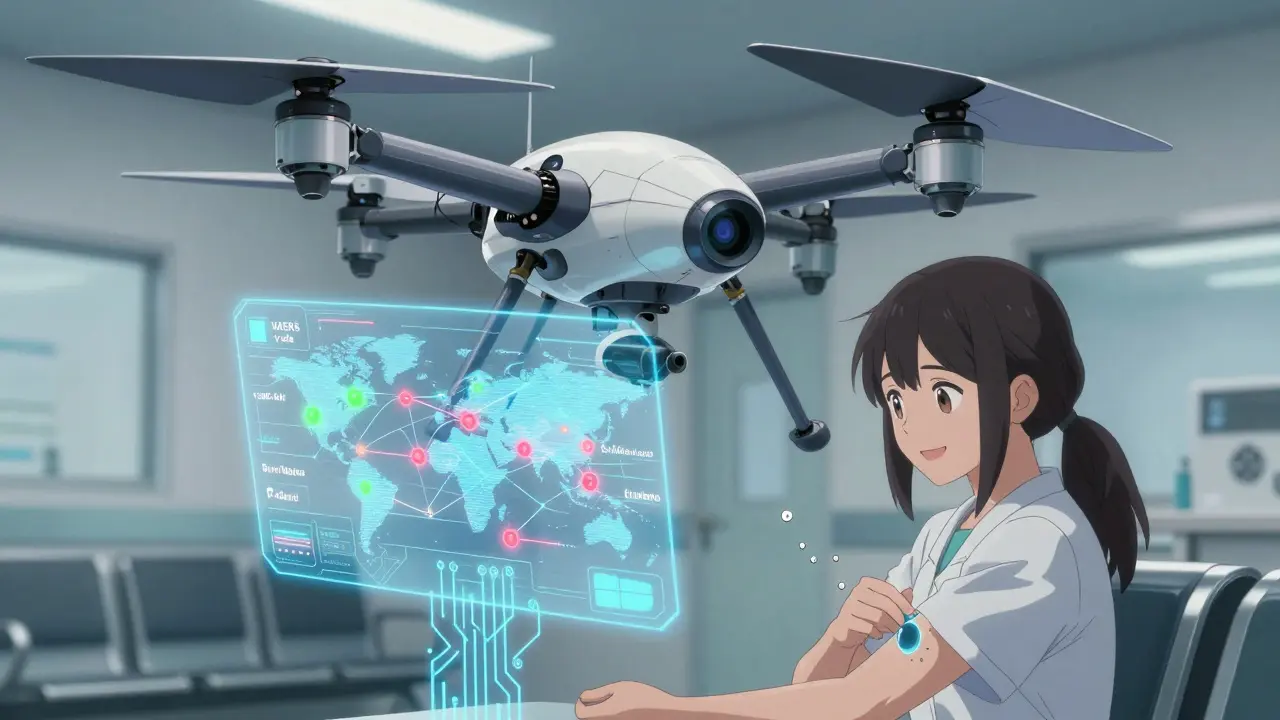
When a reaction happens, it doesn’t just disappear into the void. There’s a whole system built to track it. In the U.S., the Vaccine Adverse Event Reporting System (VAERS) is the backbone. Anyone - doctors, pharmacists, even patients - can report a possible reaction. VAERS gets around 30,000 to 50,000 reports every year. Most are unrelated to the vaccine. But when a pattern emerges - like a spike in reactions after a specific shot - scientists dig in.
For example, when the first mRNA vaccines rolled out in late 2020, VAERS and the CDC’s v-safe app (a smartphone tool that texts users to check in after vaccination) worked together. Within days, they spotted 21 cases of anaphylaxis among nearly 2 million doses. That’s how they confirmed the rate, identified PEG as a likely trigger, and updated guidelines within weeks. That’s not failure - that’s a system working exactly as designed.
Outside the U.S., similar systems exist. The European Medicines Agency runs EudraVigilance, which handles over 1.5 million reports annually. The World Health Organization supports 137 countries in running their own safety monitoring. This isn’t just paperwork. It’s a global early-warning network. And because of it, vaccines have never been safer.
What Happens If You Have a Reaction?
Most reactions happen fast. In fact, 86% of anaphylaxis cases start within 30 minutes of getting the shot. And 71% happen in the first 15 minutes. That’s why clinics now ask everyone to wait at least 15 minutes after vaccination. If you have a history of severe allergies, you’ll be asked to wait 30 minutes. During that time, staff are trained to spot the signs: hives, swelling, trouble breathing, dizziness, or a sudden drop in blood pressure.
If a reaction occurs, they act fast. Epinephrine is kept on hand at every vaccination site - it’s the only thing that stops anaphylaxis from getting worse. A single injection can turn a life-threatening event into a minor scare. Blood pressure is monitored. Oxygen is given if needed. And then? The patient is observed until stable. In the entire Frontiers in Immunology study of over 10 million doses, not a single person died from a vaccine-related allergic reaction.
Afterward, the clinic reports the event to VAERS. That’s not optional. It’s required. Even if the person recovers quickly, even if the reaction seems mild - it gets reported. Why? Because each report adds to the data. And that data helps us protect the next person.

What Should You Do Before Getting Vaccinated?
If you’ve never had a serious allergic reaction to anything, you don’t need to do anything special. Just show up. But if you’ve had anaphylaxis before - whether to food, medicine, or insect stings - tell the provider. They’ll ask you a few questions and may recommend waiting a little longer after the shot.
For people with known PEG or polysorbate allergies, allergists can now do skin tests to check for sensitivity. This isn’t routine yet, but it’s becoming more common. If you’re unsure whether you’re at risk, don’t skip the vaccine. Talk to an allergist. They can help you decide if it’s safe to proceed, and if so, under what conditions.
And if you’ve been told you can’t get a vaccine because of egg, yeast, or aluminum? That advice is outdated. The science has changed. The CDC, the American Academy of Allergy, and the World Health Organization all agree: these are not reasons to avoid vaccination. You’re not risking your life by getting the shot - you’re risking it by skipping it.
Why This Matters More Than You Think
Every time someone avoids a vaccine because they’re afraid of an allergic reaction, they’re not just putting themselves at risk. They’re making it easier for diseases to spread. Measles, polio, whooping cough - these aren’t gone. They’re just waiting for a gap in immunity. And that gap opens when fear replaces facts.
The systems we have now didn’t come from nowhere. They were built after the 1976 swine flu vaccine linked to Guillain-Barré syndrome. That event shook public trust. So we created better monitoring. We trained more staff. We built apps. We collected data. We made it possible to catch problems before they grow.
Today, vaccine safety monitoring is rated as "excellent" by independent safety experts. The tools we use are sharper than ever. The science is clearer. And the risk? It’s lower than ever.
Getting vaccinated isn’t about ignoring risk. It’s about understanding it. The odds of a serious allergic reaction are lower than winning the lottery. The odds of getting seriously ill from the disease you’re being protected against? Much higher. That’s the real math.
Can you have an allergic reaction to a vaccine you’ve had before without problems?
Yes, but it’s extremely rare. Allergic reactions are usually linked to specific ingredients, not the vaccine as a whole. If you’ve had a vaccine safely before, your risk of a reaction the next time is still very low. However, if you develop a new allergy to something like PEG or polysorbate after your first dose, you might react to a second dose. That’s why providers ask about new allergies before each vaccination.
Do I need to see an allergist before getting vaccinated if I have allergies?
Only if you’ve had a severe allergic reaction (anaphylaxis) to a vaccine component, like PEG, polysorbate, or gelatin, or if you’re unsure what caused a past reaction. For most people with food, environmental, or insect sting allergies, no special visit is needed. You can get vaccinated safely at your regular clinic. If you’re uncertain, talk to your doctor - they can help you decide if a referral is necessary.
Is it safe to get the flu shot if I’m allergic to eggs?
Yes. Over 4,300 people with egg allergies - including more than 650 with a history of severe anaphylaxis to eggs - have received flu vaccines without serious reactions. Modern flu vaccines contain only trace amounts of egg protein, far below the level that triggers reactions. No special precautions, like extended observation or split dosing, are needed. You can get the shot in a regular clinic.
Why do some people get hives or rashes after vaccines?
Mild skin reactions like hives or redness are common - occurring in 5% to 13% of people - but they’re not allergic reactions. These are usually caused by the body’s immune response to the vaccine, not an IgE-mediated allergy. They’re harmless, go away on their own, and don’t mean you can’t get future doses. Only reactions involving breathing trouble, swelling of the throat, or low blood pressure are considered true anaphylaxis.
Are there any vaccines I should avoid if I have allergies?
Very few. If you’ve had a confirmed anaphylactic reaction to a specific ingredient - like PEG or polysorbate - you should avoid vaccines containing that ingredient. But even then, alternatives often exist. For example, if you can’t get an mRNA vaccine because of PEG, you can get a protein-based vaccine like Novavax. There’s almost always a safe option. The key is talking to a healthcare provider, not avoiding vaccines altogether.




Post A Comment