Contact Lens Hygiene: Safe Wear, Clean Eyes, and What Really Works
When you wear contact lenses, thin, curved plastic lenses worn directly on the eye to correct vision. Also known as eye lenses, they’re a convenient alternative to glasses—but only if you treat them with care. Every time you touch your lenses, you’re introducing germs, dust, or proteins that can stick to the surface. Left unchecked, these buildups don’t just cause discomfort—they can lead to eye infections, serious conditions like keratitis that may cause permanent vision loss. The good news? Most of these infections are preventable with basic, consistent habits.
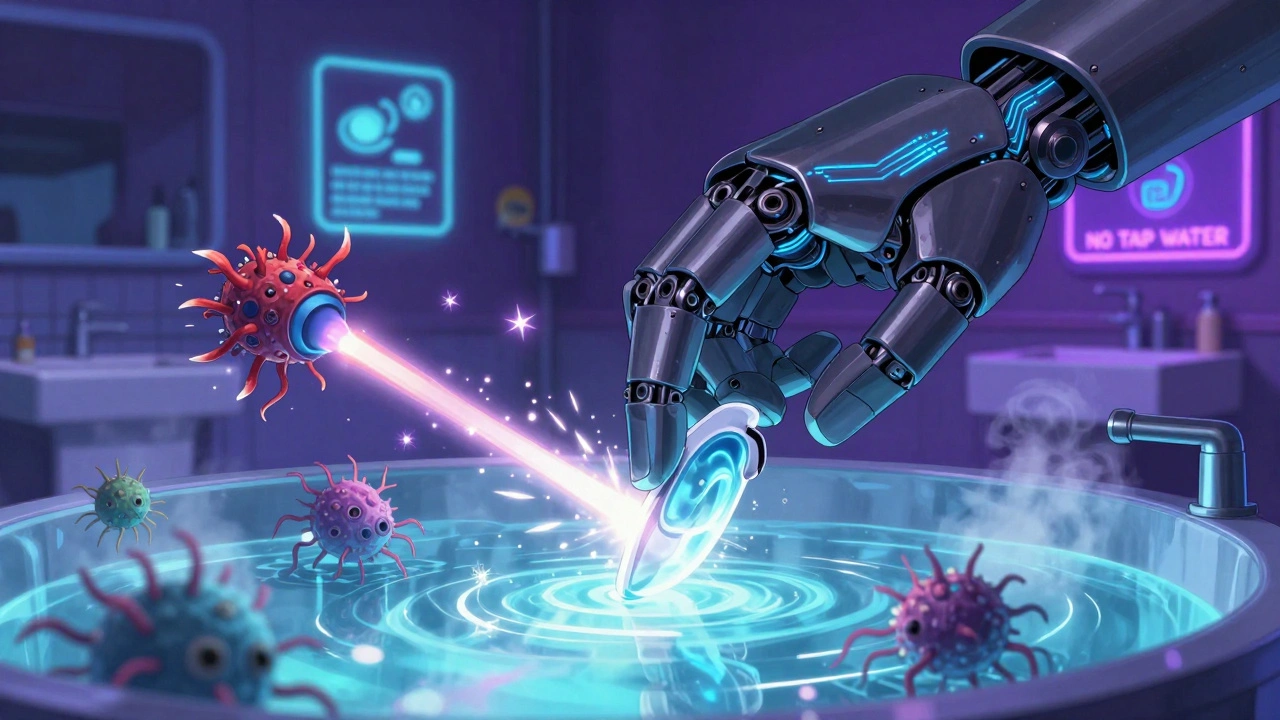
Lens cleaning, the process of removing debris and microbes from contact lenses using approved solutions. isn’t optional. Rubbing your lenses with solution, even if the bottle says "no-rub," cuts down bacteria by up to 90%. Water is not a substitute. Tap water, bottled water, or even saliva can carry harmful microbes like Acanthamoeba, which cling to lenses and burrow into the cornea. That’s why sterile saline or multipurpose solution is non-negotiable. And never rinse or store lenses in water—even if it’s distilled. Your eyes don’t care how pure it looks.
Sterile solution, a disinfecting liquid specifically formulated for contact lenses, free from contaminants and designed to kill microbes without harming the eye. matters more than the brand. What matters is using fresh solution every time and tossing the case every three months. Old cases harbor biofilm—slimy layers of bacteria that no amount of rinsing can remove. Replace your case, even if it still looks clean. Also, never top off old solution with new. Pour it out. Start fresh. Your lenses aren’t just dirty—they’re breeding grounds if you cut corners.
People think they’re doing fine because their eyes don’t hurt yet. But redness, blurry vision, or a gritty feeling aren’t normal. They’re red flags. And if you wear lenses overnight—yes, even the ones labeled "extended wear"—you’re increasing your infection risk by up to 10 times. Your cornea needs oxygen. Sleeping in lenses cuts off its supply. No exception.
Hygiene isn’t about perfection. It’s about consistency. Wash your hands before touching lenses. Don’t wear them while swimming or showering. Don’t sleep in them unless your doctor says it’s safe. And if your lenses feel dry or scratchy, don’t reach for saliva or water—use rewetting drops made for contacts. Most eye infections start with a tiny compromise. One night skipped. One rinse with tap water. One old case kept too long.
Below, you’ll find real advice from people who’ve been there—how to spot early signs of trouble, what cleaning routines actually work, why some solutions fail, and how to avoid the most common mistakes that land people in the ER. This isn’t theory. It’s what keeps eyes healthy when you wear lenses every day.