

OTC Safety Risk Checker
Assess potential risks before choosing an over-the-counter medication
Imagine walking into a pharmacy and finding a medication that used to require a doctor's visit and a signed slip of paper now sitting right there on the shelf for $10. It feels like a win for accessibility and your wallet. But there is a hidden trade-off: when a drug moves from prescription to over-the-counter (OTC), the professional "gatekeeper"-your doctor-disappears. You are now the one deciding if the drug is right for you, if the dose is correct, and if it will clash with the other pills in your cabinet.
An Rx-to-OTC switch is a regulatory process where the FDA determines a medication is safe and effective enough for consumers to use without a physician's supervision. While this increases convenience, it shifts the burden of safety from the clinician to the consumer. If you aren't careful, a "simple" pharmacy trip can lead to serious health complications.
The Hidden Risks of Professional-Free Medication
When a doctor prescribes a drug, they check your medical history for contraindications-the specific reasons you should not take a medicine. When you buy an OTC drug, that check doesn't happen. The biggest danger isn't necessarily the drug itself, but Rx-to-OTC switch risks associated with self-diagnosis. If you misidentify your symptoms, you might treat the wrong condition while a serious underlying illness goes ignored.
Then there is the issue of "hidden" ingredients. Many people don't realize they are taking multiple versions of the same drug. For instance, you might take a multi-symptom cold medicine and a separate pain reliever, not realizing both contain acetaminophen. This can lead to accidental overdoses, which are particularly dangerous for the liver. This lack of awareness is a recurring problem; many consumers simply don't view OTC products as "real" medications, leading them to ignore the warnings that come with them.
Danger Zones: High-Risk Medication Categories
Not all OTC switches are created equal. Some drug classes carry significantly more risk when used without a doctor's oversight. Knowing which ones to watch out for can be the difference between a quick recovery and an emergency room visit.
- NSAIDs is a class of Nonsteroidal Anti-inflammatory Drugs used for pain and inflammation. Long-term use without a doctor's monitoring can lead to acute renal failure, peptic ulcer disease, or even strokes.
- Decongestants like pseudoephedrine can cause dangerous spikes in blood pressure and heart rhythm issues, especially if you are already taking antidepressants or blood pressure medication.
- Antihistamines, particularly older versions like diphenhydramine, can cause severe confusion and an increased risk of falls in older adults.
| Drug Category | Potential Risk | High-Risk Population |
|---|---|---|
| NSAIDs (e.g., Ibuprofen) | GI Bleeding, Kidney Issues | Elderly, Heart Patients |
| Decongestants | Hypertension, Tachycardia | People with High Blood Pressure |
| Sedating Antihistamines | Cognitive Impairment, Falls | Adults over 65 |
| Acetaminophen | Liver Toxicity (Overdose) | Chronic Alcohol Users |

Who Should Be Extra Cautious?
Some people are biologically more vulnerable to medication errors. If you fall into one of these categories, an OTC switch isn't just a convenience-it's a potential hazard that requires a conversation with a healthcare provider.
Older adults are at the highest risk because their bodies process medicines differently. The Beers Criteria is a widely recognized guideline that lists medications that are potentially inappropriate for older adults. For example, some OTC sleep aids can cause delirium in the elderly. Additionally, people managing chronic conditions like diabetes, asthma, or kidney disease may find that a "safe" OTC drug interferes with their life-saving prescriptions.
Children are another high-risk group. Dosing errors are incredibly common when parents estimate liquid measurements or use adult medications for kids. Always use the specific measuring tool provided with the product, not a kitchen spoon.
How to Navigate the Pharmacy Aisle Safely
You don't have to avoid OTC medications, but you do need a system to keep yourself safe. The FDA (U.S. Food and Drug Administration) provides the Drug Facts label, which is a standardized format designed to help you make informed choices. However, simply glancing at the box isn't enough.
Follow this three-step verification process every time you bring a new product home:
- The Warning Scan: Go straight to the "Warnings" section. Look specifically for contraindications. If you have high blood pressure, look for phrases like "do not use if you have hypertension."
- The Active Ingredient Audit: Check the "Active Ingredient" list. Compare it against every other medication you are currently taking. If you see "Acetaminophen" or "Ibuprofen" on two different bottles, you are risking a double dose.
- The Pharmacist Consultation: Don't just grab the box and go to the checkout. Ask the pharmacist, "I'm taking [X] for my blood pressure; is this OTC drug safe to use with it?" A pharmacist can spot a drug-drug interaction that a label might not clearly explain.
The Future of OTC Safety: Tech and Trends
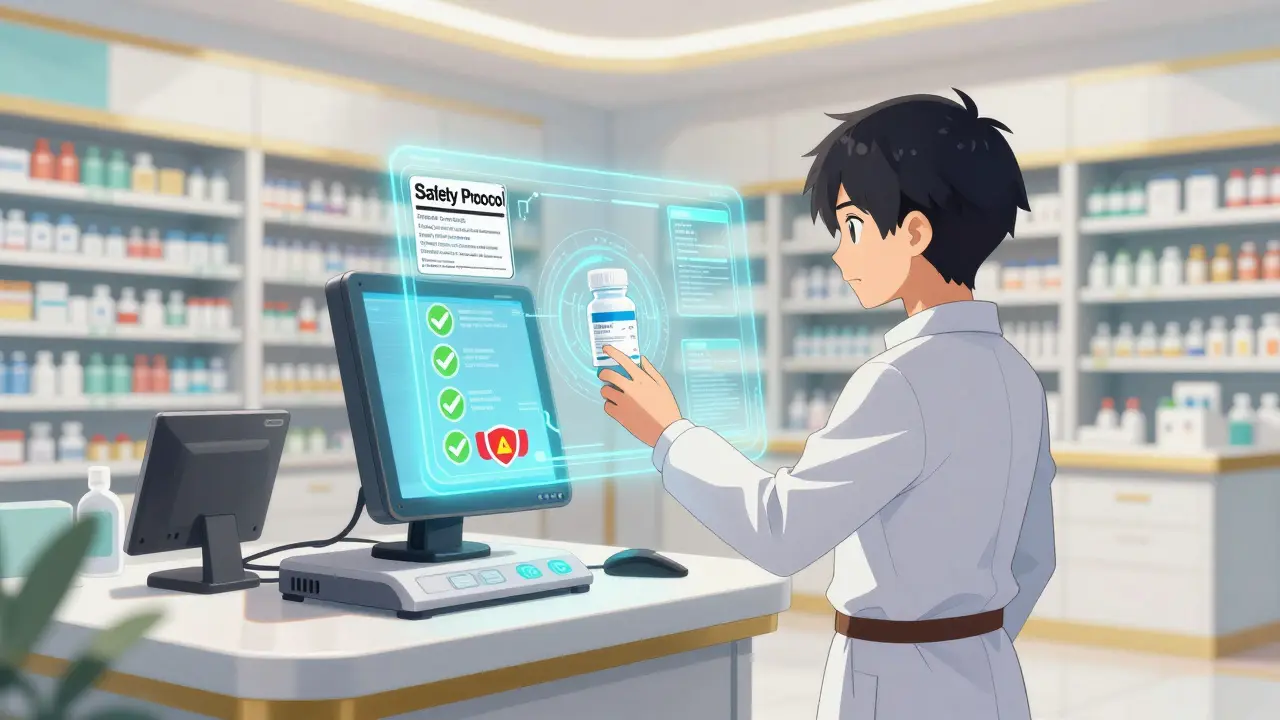
The way we interact with OTC drugs is changing. We are moving away from static labels and toward digital integration. Some retailers are now piloting QR codes on packaging that link directly to interaction checkers and updated safety data. This is a huge step toward solving the health literacy gap, as many people find the small print on traditional labels impossible to navigate.
We are also seeing a rise in "behind-the-counter" restrictions. This is a middle ground between a full prescription and a wide-open shelf. By requiring an ID or a brief consultation for certain ingredients (like pseudoephedrine), regulators can curb misuse and prevent the manufacturing of illicit substances while still keeping the drug accessible.
Is an OTC drug less powerful than a prescription drug?
Not necessarily. In many cases, the active ingredient is exactly the same. The difference is often the dosage strength or the specific indication it is approved for. A switch happens only when the FDA decides the drug is safe enough for you to use without a doctor's guidance for a specific condition.
What is the most dangerous mistake people make with OTC meds?
The most common and dangerous mistake is "therapeutic duplication." This happens when a person takes two different products that contain the same active ingredient, leading to an accidental overdose. Acetaminophen overdose is a leading cause of acute liver failure.
Should I always tell my doctor about the OTC drugs I take?
Yes, absolutely. Many people omit OTC drugs from their medical history because they don't consider them "real" medicine. However, these drugs can significantly alter how your prescription medications work or cause dangerous side effects when combined.
How do I know if an OTC drug is interacting badly with my prescription?
Be alert for any sudden changes in how you feel. Common signs of a bad interaction include dizziness, a racing heart, unusual rashes, or an unexpected increase in blood pressure. If you notice a new symptom after starting an OTC product, stop use and call your doctor immediately.
Can I use a child's OTC dose for an adult if I'm small?
No. Dosing is based on weight, age, and metabolic rate, not just physical size. Always use the dosing instructions specifically listed for your age group on the Drug Facts label to avoid under-treating a condition or causing toxicity.
Next Steps for Safe Medication Management
If you are managing multiple health conditions, your first step should be to create a master list of everything you take-including vitamins and supplements. Bring this list to your next appointment and ask your doctor to review it for potential "clashes."
For those caring for elderly parents, do a "cabinet clear-out." Check for expired medications and look for duplicates. If you find a variety of OTC pain relievers, consolidate them and verify with a pharmacist which one is safest for their specific health profile. Remember, the convenience of the OTC aisle is a tool, but your healthcare provider's knowledge is the safety net.






Post A Comment