
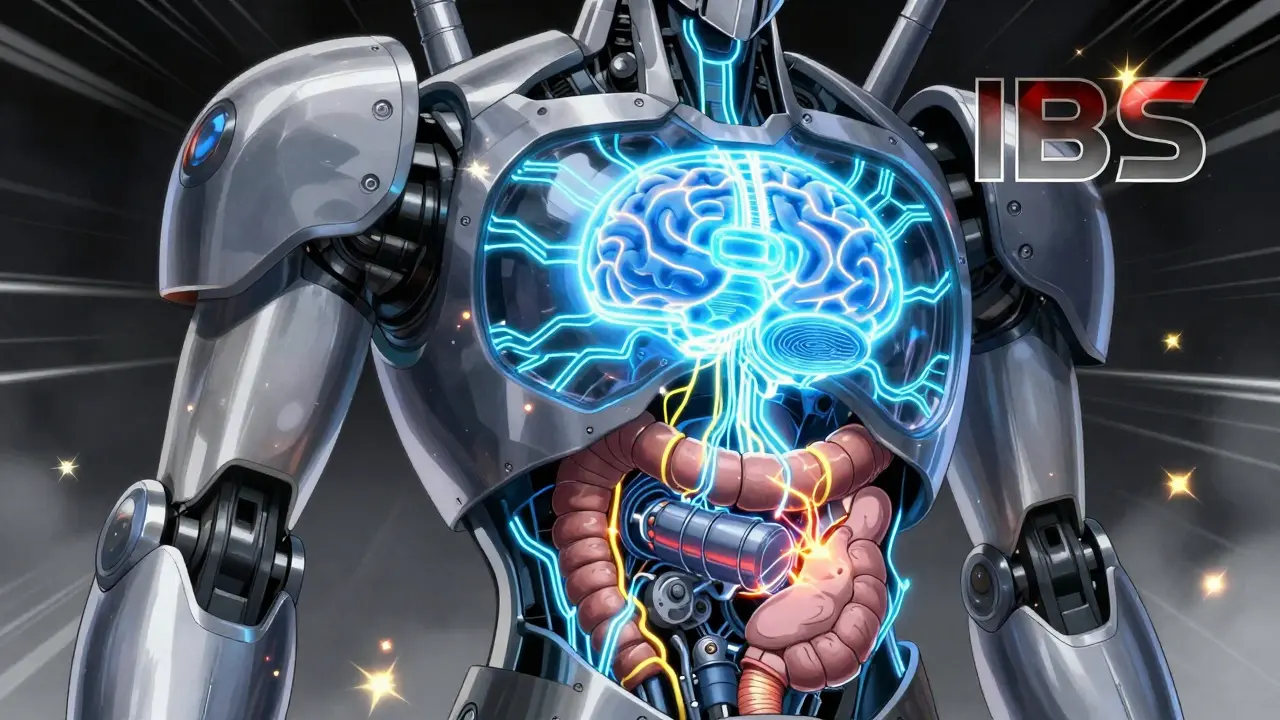
If you've ever spent a frantic hour in a bathroom stall or dealt with bloating that makes you feel like a balloon, you know how miserable gut issues can be. Many people use the terms "IBS" and "IBD" interchangeably, but in the medical world, they are completely different beasts. One is a problem with how your gut works, and the other is a problem with how your gut is built. Knowing the difference isn't just about terminology-it's about getting the right treatment before a manageable issue becomes a medical emergency.
Quick Summary of Key Differences
- IBS (Irritable Bowel Syndrome): A functional disorder. The gut looks normal on a scan but doesn't act right. No permanent damage.
- IBD (Inflammatory Bowel Disease): A structural disease. There is visible inflammation, ulcers, and physical damage to the bowel wall.
- The Red Flags: Blood in the stool, unexplained weight loss, and fever are hallmarks of IBD, not IBS.
- Treatment: IBS focuses on symptom management (diet, stress); IBD requires aggressive medical intervention to stop the immune system from attacking the gut.
What Exactly is IBS?
Think of Irritable Bowel Syndrome is a functional gastrointestinal disorder where the digestive tract looks physically normal but fails to function correctly. It's essentially a communication glitch between your brain and your gut. While a doctor looking through a colonoscope won't see any sores or bleeding, the muscles in your colon might be contracting too fast (causing diarrhea) or too slow (causing constipation).
For those living with IBS vs IBD, the IBS side of the coin usually involves chronic abdominal pain that happens at least once a week. About 76% of people with this condition deal with intense bloating. You'll often find yourself categorized into one of three groups: those who mostly have diarrhea (IBS-D), those who struggle with constipation (IBS-C), or the unlucky ones who bounce between both (IBS-M).
The reality of IBS is that it's incredibly common, affecting 10-15% of people worldwide. It doesn't cause permanent harm or lead to cancer, but it can make life feel impossible. Some people are so desperate for relief that they'd give up their favorite coffee or phone just to have a day without cramping.
The Reality of IBD: More Than Just an Upset Stomach
While IBS is a "glitch," Inflammatory Bowel Disease is a chronic autoimmune condition characterized by actual physical inflammation and destruction of the bowel wall. This isn't just about sensitivity; it's about the immune system attacking the lining of the digestive tract, leading to open sores and bleeding.
IBD is an umbrella term that primarily covers two heavy hitters:
- Crohn's disease is a condition that can cause inflammation anywhere from the mouth to the anus, often appearing in "skip lesions" or patches. It can lead to strictures (narrowing of the bowel) or fistulas (abnormal tunnels between organs).
- Ulcerative Colitis is inflammation that specifically targets the colon and rectum, usually starting at the end of the tract and spreading upward in a continuous layer.
Unlike IBS, IBD can cause severe systemic issues. Because the gut lining is damaged, you might see blood in your stool-something that is never normal. You might also experience fever, significant weight loss, or even joint pain and eye inflammation, as IBD often affects parts of the body outside the gut.
The "Smoking Gun": How Doctors Tell Them Apart
If you go to a doctor with a stomach ache, they won't just guess which one you have. They look for specific "biomarkers." In IBD, the body is in a state of war, and that leaves a trail. Doctors check for C-reactive protein (CRP), a marker of inflammation in the blood. If your CRP is over 5 mg/L, it's a red flag for IBD. They also check a stool sample for fecal calprotectin; if this level is above 250 µg/g, it's a strong sign of active inflammation.
For someone with IBS, these tests come back boringly normal. There is no inflammation and no blood markers. This is why IBS is often called a "diagnosis of exclusion." A doctor basically says, "We've checked for everything dangerous, and since your tests are clear, this must be IBS."
| Feature | IBS (Functional) | IBD (Structural) |
|---|---|---|
| Bowel Wall Damage | None | Ulcers, Inflammation |
| Blood in Stool | Rare/Absent | Common (Especially UC) |
| Blood Markers (CRP) | Normal | Typically Elevated |
| Fever/Weight Loss | No | Yes (during flares) |
| Cancer Risk | No increased risk | Increased risk of colon cancer |

Treatment: Managing Symptoms vs. Stopping Damage
Because the causes are different, the treatments are worlds apart. If you treat IBD like IBS, you're ignoring a fire in the building. If you treat IBS like IBD, you're using a sledgehammer to fix a light switch.
Managing IBS is all about calming the system. Many people find success with a low-FODMAP diet, which cuts out specific fermentable carbohydrates that trigger gas and bloating. Some use low-dose antidepressants-not for depression, but because these drugs can slow down the gut and dull the pain signals sent to the brain.
Treating IBD is about immunosuppression. Since the body is attacking itself, doctors use powerful drugs to shut down that response. This includes Anti-TNF agents (like infliximab) and corticosteroids to bring a severe flare under control. While these are effective, they come with a trade-off: they can weaken your overall immune system, making you more prone to other infections.
Can You Have Both?
Here is a bit of a curveball: yes, you can. It's actually surprisingly common. About 22-35% of people with IBD who are in clinical remission (meaning their inflammation is under control) still meet the criteria for IBS. Essentially, their "structural" disease is sleeping, but their "functional" glitches are still causing pain and urgency. This is why it's so important to keep seeing a gastroenterologist even when you feel "better."

When to Stop Googling and Call a Doctor
Most of the time, gut issues are just annoying. But there are "alarm features" that mean you need to move from a home remedy to a clinic immediately. If you experience any of the following, don't assume it's just a bad reaction to something you ate:
- Rectal Bleeding: Whether it's bright red or dark and tarry, blood is a signal of structural damage.
- Unexplained Weight Loss: Losing pounds without changing your diet is a classic IBD sign.
- Nighttime Symptoms: IBS usually sleeps when you do. If you're waking up at 3 AM with urgent diarrhea, that's a red flag.
- Persistent Fever: A low-grade fever alongside gut pain often indicates a systemic inflammatory response.
Does IBS eventually turn into IBD?
No. This is a common myth. IBS is a functional disorder and does not cause the inflammation or structural damage required to develop into IBD. They are two different categories of disease.
Can a colonoscopy diagnose IBS?
A colonoscopy cannot "find" IBS because there is nothing physical to see. Instead, doctors use colonoscopies to rule out IBD, cancer, or other structural issues. If the colonoscopy is clear but you still have symptoms, it supports an IBS diagnosis.
Why do both cause the same symptoms?
Both conditions affect the way your colon moves and reacts. Whether the trigger is a nervous system glitch (IBS) or a physical ulcer (IBD), the result for the patient is often the same: cramping, urgency, and bloating.
Is diet the only way to treat IBS?
No, though diet (like low-FODMAP) is a huge part of it. Depending on the type of IBS, doctors may also recommend soluble fiber, neuromodulators (low-dose antidepressants), or gut-directed therapies like eluxadoline to manage pain and diarrhea.
What are the long-term risks of untreated IBD?
Untreated IBD is dangerous. It can lead to bowel perforations, toxic megacolon (where the colon expands and can rupture), and a significantly increased risk of colorectal cancer, especially in cases of long-term pancolitis.
Next Steps for Your Gut Health
If you're feeling overwhelmed by your symptoms, the first step is to start a "symptom diary." Note down what you ate, your stress levels, and exactly what happened with your bowel movements. This is gold for a doctor.
For those suspected of having IBS, look into gentle dietary shifts or stress management techniques first. But if you're seeing blood or losing weight, skip the dietary experiments and book an appointment for blood tests and a fecal calprotectin screen. Getting a clear answer on whether your issue is functional or inflammatory is the only way to stop the guesswork and start feeling better.



Post A Comment