
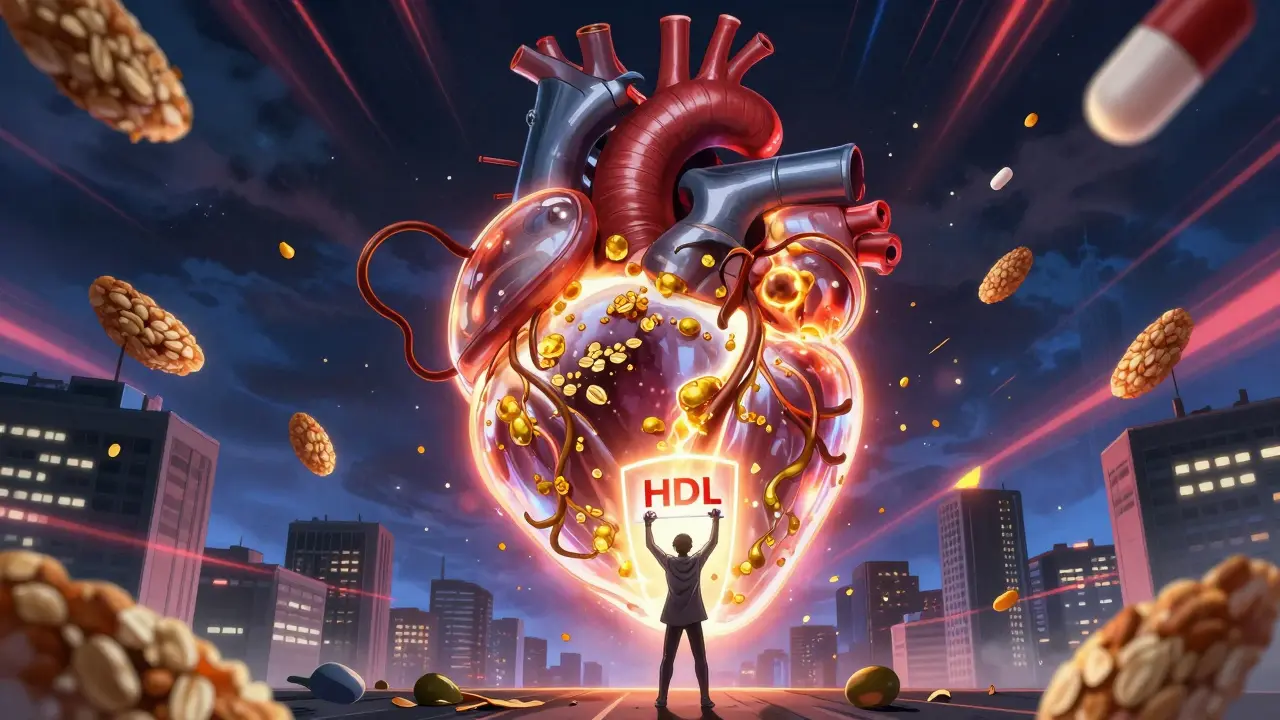
Most people don’t feel high cholesterol until it’s too late. No pain. No warning. Just a silent buildup of plaque in your arteries, quietly increasing your risk of a heart attack or stroke. By the time symptoms show up, the damage is often already done. That’s why understanding high cholesterol isn’t just about numbers on a lab report-it’s about protecting your future.
What Exactly Is Hypercholesterolemia?
Hypercholesterolemia is the medical term for having too much cholesterol in your blood. Cholesterol isn’t bad by itself-it’s needed to build cells, make hormones, and digest food. But when levels get too high, especially the kind called LDL (low-density lipoprotein), it starts sticking to your artery walls. Over time, this forms plaques that narrow your blood vessels. That’s how high cholesterol leads to heart disease, the number one killer worldwide.
The American Heart Association says about 93 million American adults have total cholesterol above 200 mg/dL. That’s nearly 40% of the adult population. But here’s the thing: most of them don’t know it. There are no obvious signs. No fatigue, no headaches, no stomach pain. You can feel perfectly fine and still have dangerously high levels.
Two Types of High Cholesterol: Genetic vs. Lifestyle
Not all high cholesterol is the same. There are two main types: familial (genetic) and acquired (lifestyle-driven).
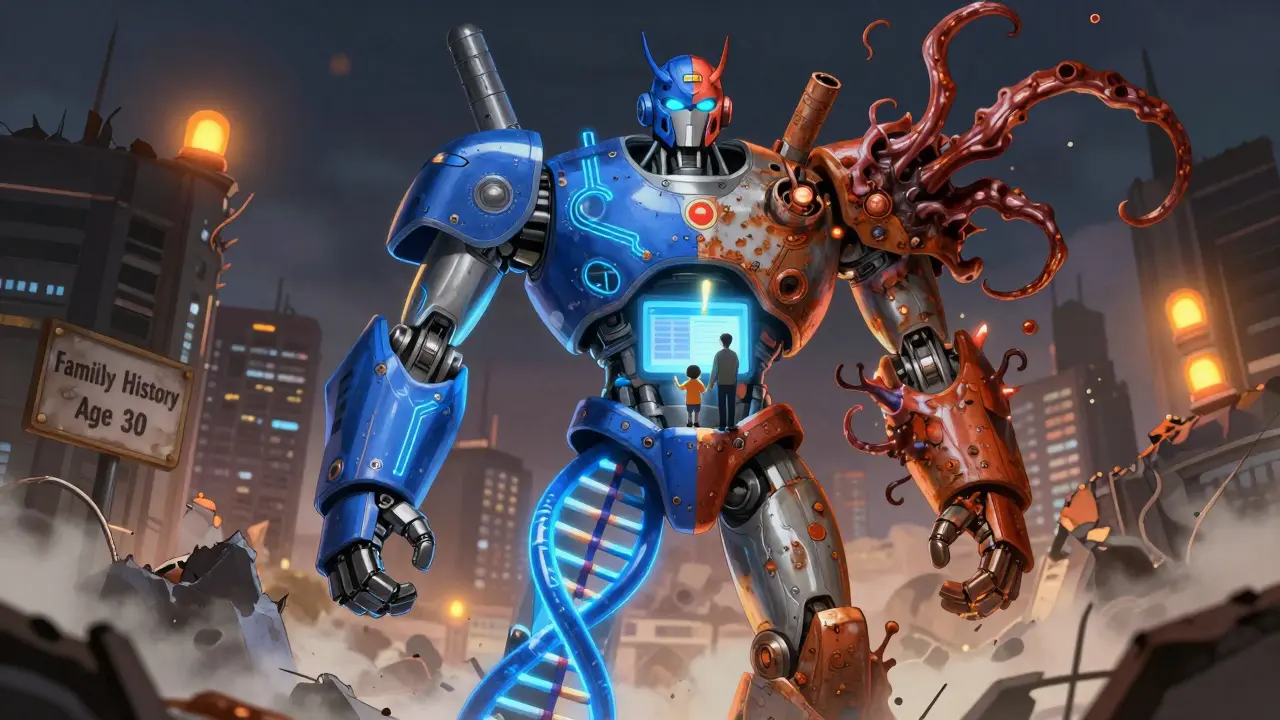
Familial hypercholesterolemia (FH) is inherited. If one of your parents has it, you have a 50% chance of getting it too. It’s more common than you think-about 1 in 250 people worldwide have the heterozygous form. People with FH are born with LDL levels that are already sky-high, often above 190 mg/dL. By age 30, many will have visible fatty deposits in their tendons (called tendon xanthomas) or around their eyelids (xanthelasmas). Without treatment, men with FH often have heart attacks before 50. Women aren’t far behind-many face events by 60.
On the other hand, acquired hypercholesterolemia comes from what you eat, how much you move, and other health conditions. Poor diet, lack of exercise, obesity, diabetes, hypothyroidism, and kidney disease all raise cholesterol. This type usually shows up later in life, with LDL levels between 130 and 189 mg/dL. The good news? It often responds well to lifestyle changes.
How Is It Diagnosed?
There’s no symptom to watch for. The only way to know is through a simple blood test called a lipid panel. It measures total cholesterol, LDL (bad cholesterol), HDL (good cholesterol), and triglycerides.
The latest guidelines say you don’t even need to fast anymore. That makes testing easier and more accessible. The U.S. Preventive Services Task Force recommends screening for everyone between 40 and 75. But if you have a family history of early heart disease, or if you’re overweight or diabetic, you should get checked earlier-even in your 20s.
Here’s what the numbers mean:
- LDL below 100 mg/dL: Optimal
- LDL 100-129 mg/dL: Near optimal
- LDL 130-159 mg/dL: Borderline high
- LDL 160-189 mg/dL: High
- LDL 190 mg/dL or higher: Very high (often signals FH)
If your LDL is above 190, especially without other risk factors, doctors will suspect familial hypercholesterolemia and may refer you for genetic testing.
What Happens If You Don’t Treat It?
Untreated high cholesterol doesn’t just increase your risk-it drastically shortens your life. Studies show that people with untreated heterozygous FH lose about 30 years of life expectancy. The average age of a first heart attack in men with FH? 53. For women? 60. Without treatment, homozygous FH patients often have heart events before age 20.
Even without FH, high cholesterol still kills. The Global Burden of Disease Study found that high LDL cholesterol contributes to nearly 4 million deaths each year. It’s not a myth. It’s not hype. It’s science.
Treatment: Lifestyle First, Then Medication
For most people, treatment starts with diet and movement. The Portfolio Diet-rich in plant sterols, oats, nuts, soy, and fiber-has been shown in clinical trials to lower LDL by up to 30%. That’s as effective as a low-dose statin. But sticking to it is hard. Studies show only about half of people still follow it after a year.
Here’s what actually works:
- Swap butter for olive oil
- Eat more beans, lentils, and oats
- Choose skinless chicken or fish over red meat
- Limit processed snacks, fried foods, and sugary drinks
- Get at least 150 minutes of brisk walking or cycling a week
But for many-especially those with FH-lifestyle alone isn’t enough. That’s where medication comes in.
The Medications That Work
Statins are the first-line treatment. Drugs like atorvastatin and rosuvastatin can slash LDL by 50% or more. They’re safe, affordable, and proven to prevent heart attacks. But about 1 in 5 people can’t tolerate them due to muscle pain or other side effects.
For those who can’t take statins-or need extra help-there are other options:
- Ezetimibe: Blocks cholesterol absorption in the gut. Lowers LDL by about 18%.
- PCSK9 inhibitors (alirocumab, evolocumab): Injected every 2-4 weeks, they can drop LDL by another 50-60% on top of statins. Used mostly for FH or very high-risk patients.
- Inclisiran (Leqvio): A newer shot given just twice a year. It works at the genetic level to reduce LDL production. Approved in 2021, it’s a game-changer for people who struggle with daily pills.
People with FH often need triple therapy: a high-dose statin + ezetimibe + a PCSK9 inhibitor. It sounds intense, but for them, it’s life-saving.
Why So Many People Aren’t Getting Treated
Here’s the ugly truth: even though we have effective treatments, most people with high cholesterol aren’t getting them. In the U.S., only about 55% of eligible adults are on statins. Among Black adults, it’s 42%. For women, it’s 49%.
Why? A mix of things. Some don’t know they have it. Others are scared of side effects. Some can’t afford the meds. Others just don’t feel sick, so they skip pills. But the data doesn’t lie: every 39 mg/dL drop in LDL cuts heart events by 22%. That’s not a small gain. That’s life or death.
The Bigger Picture: Cost, Access, and Future Hope
High cholesterol doesn’t just hurt your body-it hurts the economy. In the U.S. alone, heart disease linked to cholesterol costs $218 billion a year. That includes hospital stays, surgeries, lost work, and medications.
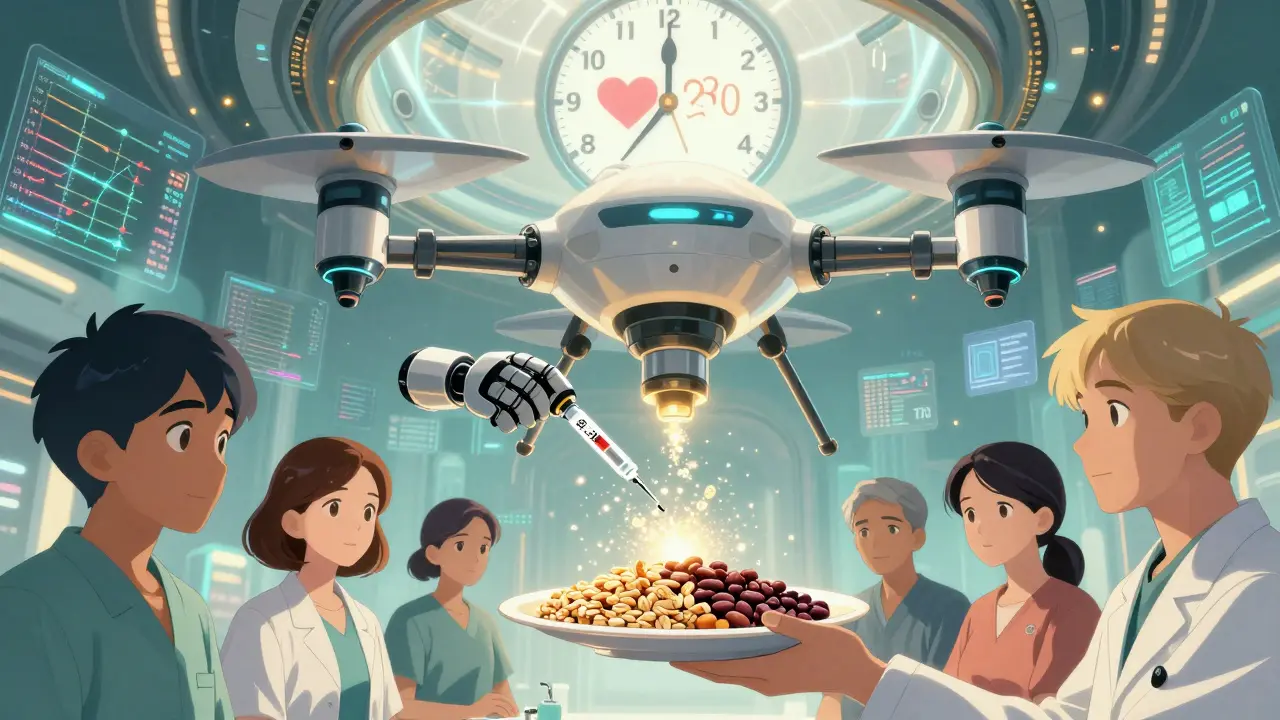
But there’s progress. New tools like polygenic risk scores can now identify people at risk even before their cholesterol spikes. Digital apps are helping track diet and meds. Policies are starting to push for better access to testing and treatment in underserved communities.
The American Heart Association’s 2030 goal is to improve cardiovascular health for everyone. That means better food in schools, cleaner air, easier access to healthy options, and smarter prescribing. It’s not just about pills-it’s about changing the system.
What You Can Do Today
You don’t need to wait for a crisis. Here’s your action plan:
- Get your cholesterol checked. Even if you feel fine.
- If your LDL is above 130, talk to your doctor. Don’t brush it off.
- Start making small swaps in your diet. Replace one unhealthy snack with nuts or fruit.
- Walk 30 minutes a day. Five days a week. That’s it.
- If you’re prescribed a statin, take it. Don’t stop because you feel fine.
- If you have a family history of early heart disease, tell your doctor. Get tested early.
High cholesterol isn’t a death sentence. But ignoring it? That’s the real risk.
Can you have high cholesterol and still be thin?
Yes. While obesity increases the risk, genetics play a huge role. People with familial hypercholesterolemia can be lean, athletic, and eat well-yet still have dangerously high LDL. Cholesterol isn’t just about weight. It’s about how your body makes and clears it.
Do eggs raise cholesterol?
For most people, dietary cholesterol from eggs has a small effect on blood levels. The bigger issue is saturated fat-found in butter, cheese, bacon, and fried foods. One egg a day is fine for healthy people. But if you have FH or heart disease, talk to your doctor about limits.
Is high cholesterol hereditary?
Yes, in some cases. Familial hypercholesterolemia is inherited and affects 1 in 250 people. If a parent has it, you have a 50% chance of inheriting it. Genetic testing can confirm it. Early diagnosis is critical-it can prevent heart attacks decades before they’d normally occur.
Can you reverse high cholesterol?
You can’t undo years of plaque buildup, but you can stop it from getting worse-and even shrink plaques slightly. Aggressive LDL lowering with statins and lifestyle changes can stabilize plaques and reduce heart attack risk. In some cases, plaques become less dangerous over time with consistent treatment.
How long does it take for statins to work?
Statins start lowering LDL within days, but it takes about 4-6 weeks to reach their full effect. Your doctor will usually check your cholesterol again after 6-8 weeks to see if the dose needs adjusting. Don’t stop taking them just because you feel fine.
Are natural supplements like red yeast rice safe?
Red yeast rice contains a compound similar to statins and can lower LDL-but it’s not regulated like prescription drugs. It can cause the same side effects (muscle pain, liver issues) without consistent dosing. Some products are contaminated. Don’t replace prescribed medication with supplements without talking to your doctor.
Can children have high cholesterol?
Yes. Children with a family history of early heart disease or FH should be screened as early as age 2. If diagnosed, treatment may include diet changes and, in severe cases, statins starting in childhood. Early intervention can prevent heart disease decades later.
Final Thought: Don’t Wait for Symptoms
High cholesterol doesn’t knock. It doesn’t warn you. It just builds up, quietly, until it’s too late. The tools to stop it exist. The knowledge is out there. What’s missing is action. Get tested. Talk to your doctor. Make one change today. Your future self will thank you.



Post A Comment