
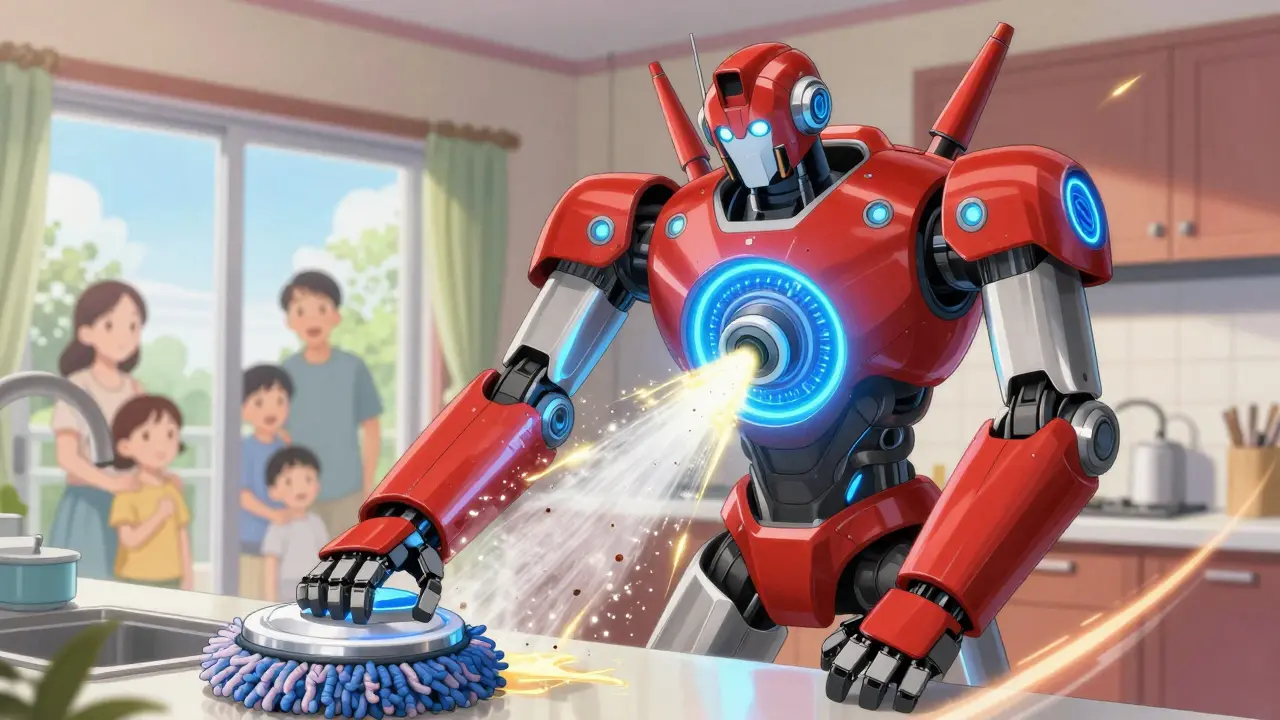
Every time you spray a cleaner, you might be breathing in more than just dirt. For people with allergies or asthma, many common household cleaners aren’t just ineffective-they’re triggers. Dust, pet dander, pollen, and food residues don’t just sit on surfaces. They get kicked into the air with every wipe, every spray, every sweep. And if your cleaner contains synthetic fragrances, bleach, or ammonia, you’re not cleaning-you’re adding fuel to the fire.
Why Regular Cleaners Make Allergies Worse
Most conventional cleaning products are designed to kill germs, not manage allergens. They’re full of volatile organic compounds (VOCs), artificial perfumes, and harsh chemicals like bleach and ammonia. These ingredients don’t just disappear after cleaning. They linger in the air, stick to fabrics, and settle back onto surfaces. A 2010 study from the European Respiratory Journal found that people who used spray cleaners frequently had a 51% higher risk of developing adult-onset asthma. That’s not a small number-it’s a public health red flag.And it’s not just about smelling nice. Many "unscented" wipes and sprays still contain hidden fragrance masking agents. One 2022 study in the Journal of Allergy and Clinical Immunology showed that 68% of people with fragrance sensitivity reacted to products labeled "unscented." These aren’t tricks-they’re hidden triggers. Even if you don’t notice a smell, your body might be reacting.
Worse, regular dry wiping does almost nothing to remove allergens. Research from the Food Standards Agency found that even after multiple wipes, 87% of surfaces still held onto peanut, milk, or egg residue. That’s why people with food allergies still get sick after cleaning-because the allergens weren’t removed. They were just spread around.
What Makes a Cleaner Truly Allergy-Friendly?
Not every "natural" or "eco-friendly" product is safe for allergies. The real difference comes from third-party certification. The Asthma & Allergy Friendly® certification, updated in March 2024, is the gold standard. To earn it, a product must:- Remove over 85% of common allergens like dust mite debris, pet dander, and pollen from hard surfaces
- Release less than 0.5 parts per million of VOCs
- Pass strict testing for 12 additional fragrance allergens
- Include clear, science-backed usage instructions
These aren’t marketing claims. They’re lab-tested results. Products without this certification often skip the hard part-proving they actually reduce allergens. A 2024 review by the Environmental Working Group found that only 37% of products labeled "hypoallergenic" meet clinical standards. That’s why certification matters.
The most effective ingredients in certified cleaners include:
- Potassium cocoate (5-15%)-a gentle surfactant made from coconut oil that lifts dirt without irritating skin or lungs
- Potassium citrate (2-8%)-softens water and binds to minerals so cleaners work better without needing harsh chemicals
- Hydrogen peroxide (3-5%)-a safe oxidizer that breaks down stains and kills mold without releasing toxic fumes
- Renewable ethanol (10-20%)-a plant-based degreaser that evaporates cleanly, unlike ammonia
Compare that to conventional cleaners, which often rely on 20-30% ammonia or bleach. These chemicals react with air to form new irritants. They’re not just bad for your lungs-they’re bad for your home’s air quality long after you’ve finished cleaning.
Top Certified Products That Work
You don’t have to guess which products are safe. Here are a few that have passed independent testing and carry the Asthma & Allergy Friendly® seal:- Seventh Generation Free & Clear Laundry Detergent-Used by families with children suffering from eczema and asthma. One Reddit user reported a 70% drop in flare-ups within three weeks.
- Renegade Brands’ Sweat-X Free & Clear Detergent-Tested at the Rochester Institute of Technology to remove 92% of allergens, outperforming standard "natural" cleaners at 76%.
- Attitude All-Purpose Cleaner-Certified, fragrance-free, and made with plant-based ingredients. Rated 1.8 on the EWG scale for respiratory safety.
- Method All-Purpose Cleaner (Unscented)-Meets certification standards and uses a simple formula with potassium cocoate and citrate.
These products aren’t just safer-they’re more effective. A 2023 clinical trial with 217 allergy sufferers showed that switching to certified cleaners reduced symptom frequency by 22% over six months. That’s not a placebo. That’s measurable relief.

What About Vinegar and Baking Soda?
Homemade cleaners like vinegar and water get a lot of praise. And yes, they’re better than bleach. But they’re not enough. The Food Standards Agency tested vinegar solutions against food allergens and found they removed only 67% of peanut residue. Certified products removed 89%. That 22% gap matters when you’re dealing with a child who could go into anaphylaxis from trace exposure.Dr. Claudia Miller of UT Health San Antonio recommends vinegar for general cleaning-but even she acknowledges it’s not suitable for allergy-sensitive households where food residues are a concern. Vinegar doesn’t bind to proteins like peanut or egg. It just dilutes them. That’s not cleaning. That’s hoping.
How to Clean Right-The Two-Cloth Method
Using the right product isn’t enough. How you clean matters just as much. The most effective technique, backed by a 2023 study in the Indoor Air Journal, is the two-cloth method:- Use one damp microfiber cloth with your certified cleaner to lift dirt and allergens.
- Use a second damp cloth with plain water to rinse the surface.
This reduces airborne allergen resuspension by 63% compared to using just one cloth. Why? Because the first cloth traps the allergens. The second removes any leftover residue without redistributing it. Dry wiping? That’s just stirring up dust. Wet cleaning with two cloths? That’s real removal.
Also, switch to microfiber cloths. They trap particles instead of pushing them around. And wash them in a certified detergent-no fabric softeners, no dryer sheets. Even your laundry can be a trigger.
Cost, Convenience, and the Real Value
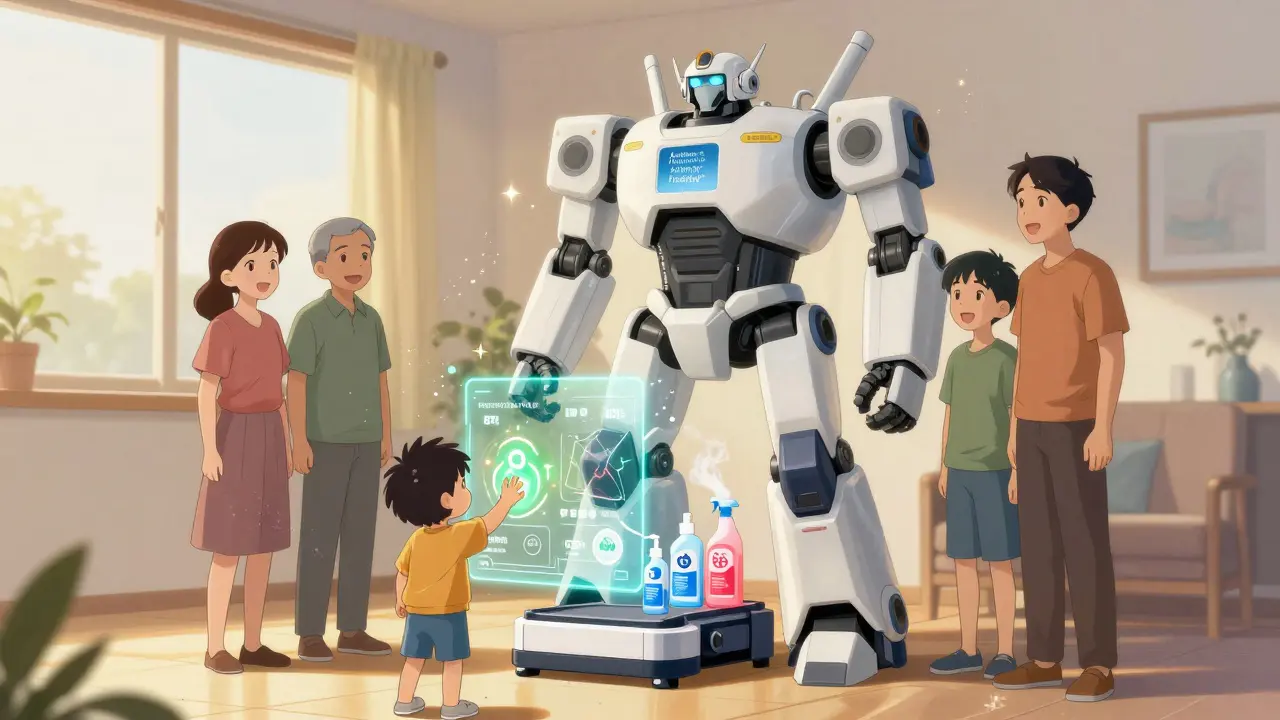
Yes, certified cleaners cost more. Non-certified "natural" products average $3.25 per 32oz. Certified ones average $5.75. But here’s the math: if switching to these products reduces your child’s asthma attacks by 40%, as seen in the Asthma and Allergy Foundation’s "Healthy Home Project," you’re not spending more-you’re saving on emergency room visits, inhalers, and missed school days.One family of 45 households saw a 41% drop in asthma-related ER visits after switching to certified cleaning protocols. That’s not just a win for health-it’s a win for your wallet.
Refill systems are growing fast, up 18% annually. Buying concentrates and diluting them yourself cuts waste and cost. You’re not just buying cleaner-you’re investing in long-term health.
What’s Next for Allergy-Friendly Cleaning
The market is evolving. In January 2024, electrostatic sprayers calibrated for hypoallergenic solutions hit the market. They use 65% less product and capture 28% more allergens. Hospitals are adopting them. Schools are starting to follow.The EU’s 2023 mandate requiring full fragrance disclosure is pushing brands to clean up their formulas. The European Chemicals Agency’s 2025 roadmap will eliminate 17 common irritants from household cleaners. That means better options are coming.
By 2028, the global market for these products is projected to hit $7.1 billion. Growth is fastest in Asia-Pacific, where urban air quality and allergy rates are climbing. But the real shift is happening in homes. People are realizing that cleaning isn’t just about sparkle-it’s about safety.
Getting Started: Your 3-Step Plan
You don’t need to overhaul everything overnight. Start here:- Replace your top 3 cleaners-laundry detergent, all-purpose spray, and dish soap-with certified versions. That’s the biggest trigger source.
- Buy two microfiber cloths and start using the two-cloth method on high-touch surfaces: doorknobs, light switches, countertops.
- Check the label-look for the Asthma & Allergy Friendly® logo. If it’s not there, assume it’s not tested.
It takes 2-3 weeks for most households to adjust. After that, you’ll notice fewer sneezes, less coughing, and better sleep. That’s not magic. That’s science.
Are all "natural" cleaning products safe for allergies?
No. Many "natural" or "eco-friendly" cleaners still contain undisclosed fragrances, preservatives, or irritants that trigger allergies. Only products with third-party certification like Asthma & Allergy Friendly® have been clinically tested to prove they reduce allergen exposure.
Can I use vinegar and water instead of commercial cleaners?
Vinegar and water work for general cleaning, but they’re not reliable for removing food allergens like peanut or egg residue. Studies show vinegar removes only 67% of peanut residue, while certified cleaners remove 89%. For households with severe allergies, vinegar isn’t enough.
Why do "unscented" wipes still cause reactions?
Many "unscented" products contain masking agents-chemicals added to cover up the smell of other ingredients. These hidden fragrances can trigger reactions in 18% of sensitive individuals. Only certified products are tested to ensure no hidden allergens are present.
How do I know if a cleaner is truly certified?
Look for the Asthma & Allergy Friendly® logo on the packaging. This certification is backed by independent lab testing and requires proof of allergen removal, low VOC emissions, and fragrance safety. Don’t rely on labels like "hypoallergenic" or "non-toxic"-those aren’t regulated terms.
Is it worth spending more on certified cleaners?
Yes-if your family suffers from allergies or asthma. Certified cleaners reduce symptom frequency by 22% in clinical trials. They also lower the risk of emergency visits. The average cost difference is less than $2.50 per bottle, but the health benefits can save hundreds in medical costs and lost time.



Post A Comment